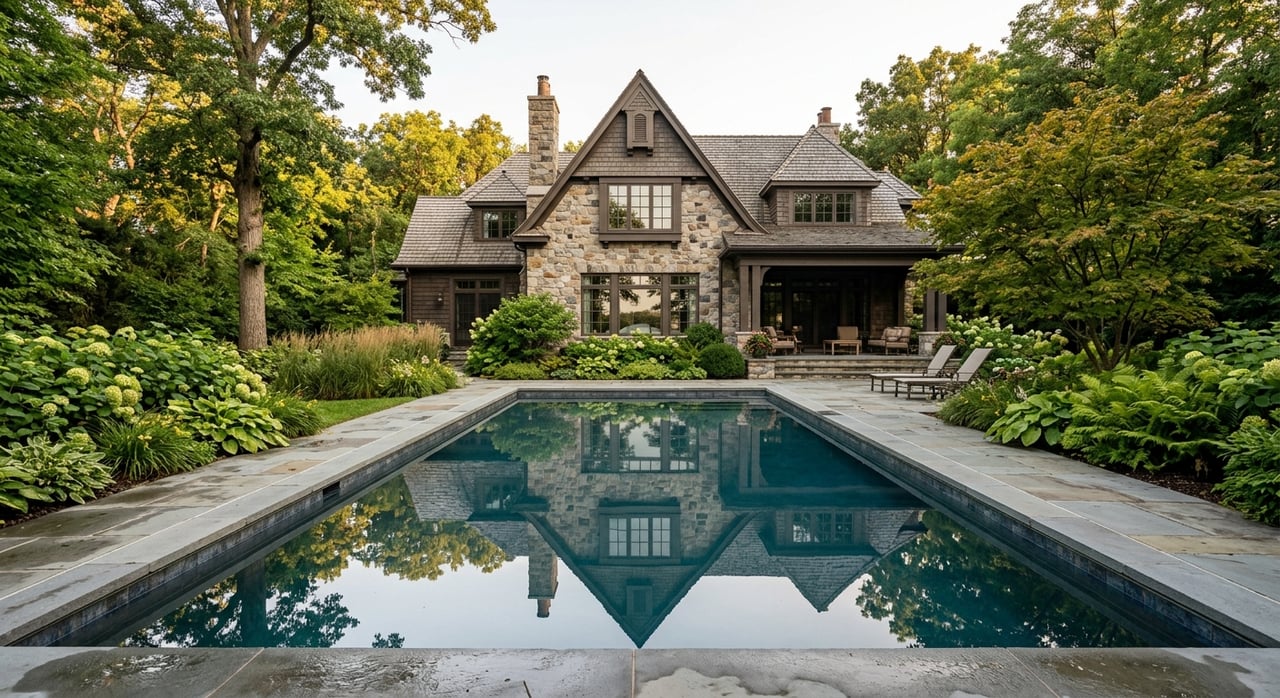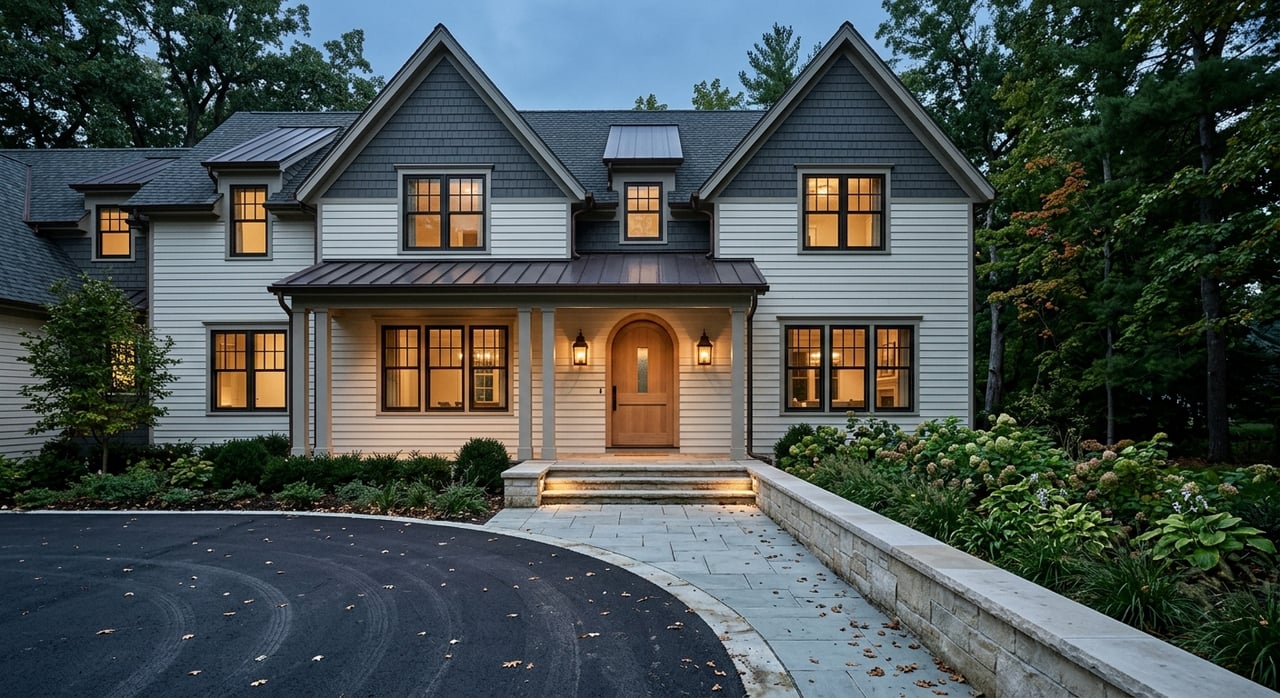
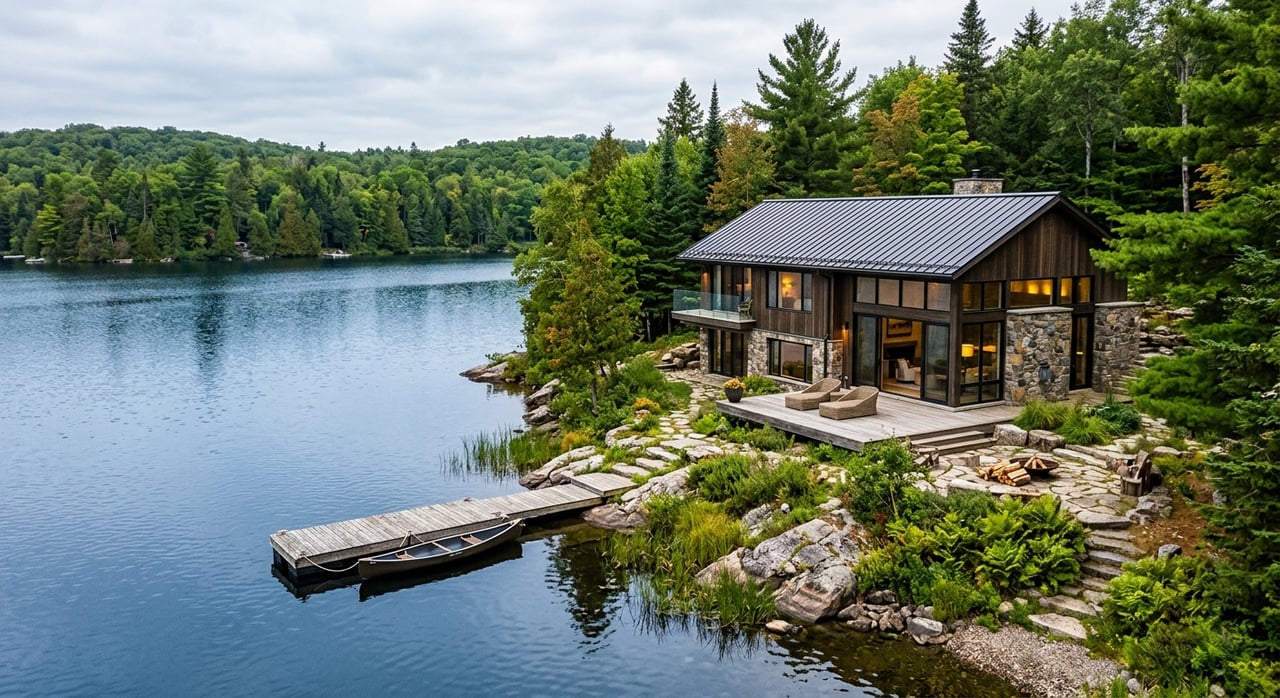
Wondering what “luxury” really means in Mound Westonka? In this part of the Lake Minnetonka market, the answer is more nuanced than a single price tag. If you are buying or selling in Mound, it helps to understand where the true value shifts happen, what today’s price bands look like, and why two homes with very different sizes can command similar numbers. Let’s dive in.
Mound’s Place in Lake Minnetonka
Mound is best understood as a more accessible entry point into the broader Lake Minnetonka luxury corridor, not as a market where every home trades at luxury levels. Recent market data shows Mound with a citywide median sale price of $385,769, about 26 days on market, and a 99.1% sale-to-list ratio.
That stands in contrast to the broader Lake Minnetonka area, where the median sale price is about $790,000 with 69 days on market and a 97.9% sale-to-list ratio. Nearby luxury markets also trend much higher, with median listing prices around $1.95 million in Wayzata, $2.85 million in Minnetonka Beach, and about $1.69 million for Orono waterfront homes.
For you as a buyer or seller, that means Mound offers something distinct. It can provide lake-oriented living at a lower starting point than some neighboring communities, while still producing significant waterfront sales at the top end.
What Counts as Luxury in Mound
In Mound, luxury usually starts when genuine lake access, shoreline, or high-value dock advantages come into play. It is less about a broad citywide number and more about a property’s relationship to the water.
A practical benchmark from current listings and recent sales is this: the luxury market often begins around the high $900,000s for shoreline lots or smaller lake-access opportunities. From there, improved waterfront homes commonly move into the $1.8 million to $2.5 million range, while trophy properties can rise above $4 million.
That pricing ladder matters because Mound is not a flat market. A home’s position within the luxury spectrum depends heavily on frontage, views, access, and the certainty of lake use.
Mound Luxury Price Bands
Under $1 Million
At the lower edge of Mound’s lake-oriented market, you are often looking at shoreline lots, smaller lake-access homes, or older properties with meaningful location value. Current examples include a Phelps Bay lot listed at $899,000 and a home near $949,900 with direct shoreline access and an included dock.
This tier can be appealing if your goal is to enter the Lake Minnetonka lifestyle with a lower basis than nearby luxury enclaves. Still, under $1 million in Mound does not always mean turnkey waterfront living. In many cases, you are paying for location, future potential, or access more than a finished luxury product.
$1 Million to $2 Million
This is where Mound’s luxury market starts to feel more established. In this range, you will often see upgraded lakeshore homes, repositioned older properties, and homes with stronger frontage characteristics.
Current examples include a 1910-built shoreline home at $1.849 million, a Phelps Bay property at $1.879 million with 108 feet of shoreline, and a Halstead Bay home at $1.899 million with more than 100 feet of west-facing lakeshore. Recent closings in and near this band have ranged from about $890,000 to $1.615 million.
For many buyers, this is the sweet spot between access and quality. You may find a better balance of lake setting, livability, and long-term value than you would at the lower end of the market.
$2 Million to $3 Million
Once you move above $2 million, the conversation often shifts to larger lots, stronger bay positions, and higher amenity value. A current example is a $2.5 million Cooks Bay property on 0.88 acres with a boathouse, a long private drive, and expansive views.
At this level, buyers are usually paying for a stronger overall waterfront experience. That can include more privacy, better approach to the home, broader lake views, or site features that are difficult to replicate.
$4 Million and Up
This is trophy territory in Mound. These homes are typically defined by premium frontage, high-quality construction, newer build dates, and dock infrastructure that supports a full lake lifestyle.
Examples include a 2023 custom-built Jennings Bay home listed at $4.299 million with 128 feet of south-facing shoreline and two permanent dock slips, along with a recent sale at $4.335 million on Lythrum Way. These properties represent the top of what Mound can offer when location, design, and shoreline features all align.
What Drives Value Most
In Mound, square footage alone does not explain price. The biggest value shifts usually come from the water itself and how usable that water access really is.
Shoreline Quality
Not all frontage performs the same way. South-facing and west-facing shoreline, usable depth, and the character of the bay can all shape demand and pricing.
That is why homes on Cooks Bay, Phelps Bay, Halstead Bay, and Jennings Bay are not interchangeable. A smaller home with superior shoreline or a better view corridor may outperform a larger house with less favorable frontage.
Dock Rights and Lake Access
Dockability is one of the most important pricing factors in Mound. The city’s Docks and Commons Program is a major part of that conversation.
According to the City of Mound, the program is the largest municipally owned dock program in Minnesota and permits up to 627 boats annually. Inland residents can access about 144 dock sites and 100 slip sites, but those are nontransferable and subject to a waiting list. By contrast, about 167 Commons lakeshore sites are transferable with the property.
For you as a buyer, that difference matters. Buyers are often paying for the permanence and certainty of lake access, not just proximity to the water.
Renovation Quality and Rebuild Potential
Mound’s inventory includes early-1900s homes, 1950s lakeshore properties, late-1980s estates, and recent custom construction. Because of that mix, condition matters a great deal.
In many cases, buyers are deciding between a renovated classic lake home and a newer custom property with updated entertaining space and modern dock setup. Sellers should keep in mind that buyers tend to look closely at the quality of improvements, not just whether a home has been updated at some point.
Key Trade-Offs Buyers Should Expect
If you are shopping in Mound, the decision usually comes down to trade-offs rather than simple price brackets. Understanding those trade-offs can help you focus on what matters most to your lifestyle and goals.
Inland Space vs. Frontage
You may be able to buy more interior square footage inland than you can on the water. But once a property has meaningful frontage or better dock access, the price can rise quickly, even if the home itself is smaller.
Turnkey Condition vs. Future Potential
Some properties offer immediate enjoyment with updated finishes and newer systems. Others may offer stronger location value but require renovation or a longer-term rebuild strategy.
City Dock Access vs. Deeded Shoreline
An inland home with access through the city dock program can offer a real lake lifestyle. Still, that setup is not the same as owning deeded shoreline or having transferable Commons frontage tied directly to the property.
What Sellers Need to Know About Pricing
If you are selling in Mound, pricing by address alone can leave money on the table or slow your sale. The market rewards precision.
Accurate pricing should reflect the exact shoreline exposure, dock rights, view corridor, bay location, and remodel status of your property. Two homes on the same street can perform very differently if one has better frontage, a more usable lot, or transferable lake access advantages.
Recent data also shows that Mound homes are selling in about 27 days on average and around 1% below list, while premium sales have ranged from $890,000 to $4.335 million with 44 to 86 days on market. That tells you luxury pricing in Mound requires a property-specific strategy, especially at the upper end.
Why Mound Draws Attention
Mound appeals to buyers who want access to the Lake Minnetonka lifestyle without always paying the same entry prices seen in neighboring luxury enclaves. That makes it attractive for both value-conscious luxury buyers and sellers whose properties offer standout shoreline features.
The local market can also appeal to buyers who value flexibility. Some want immediate waterfront living, while others are looking for a long-term site with strong rebuild or repositioning potential.
In either case, understanding the true luxury price points in Mound helps you make better decisions. It gives buyers a clearer target and helps sellers position a home around the features that matter most.
If you are evaluating a purchase or considering a sale in Mound Westonka, a detailed understanding of frontage, access, and pricing bands can make a meaningful difference in your outcome. For a private valuation or a discreet conversation about your options, connect with Jeffrey Dewing.
FAQs
What is the luxury entry point in Mound Westonka?
- In current Mound inventory, the lake-oriented luxury market generally starts around the high $900,000s for shoreline lots or smaller lake-access properties.
Why can a smaller Mound lake home cost more than a larger inland home?
- In Mound, frontage quality, dock rights, bay position, and view corridor can outweigh interior square footage once a property has true lake access.
Can inland buyers still enjoy the lake lifestyle in Mound?
- Yes. Many inland residents can access the lake through the City of Mound’s dock program, although some access options are waitlisted and not transferable with the property.
How does Mound compare with other Lake Minnetonka luxury markets?
- Mound is generally a lower-entry luxury market than places like Wayzata and Minnetonka Beach, while still producing multi-million-dollar waterfront sales.
What price range is most common for improved waterfront homes in Mound?
- Based on current inventory and recent examples, improved waterfront homes in Mound often center in roughly the $1.8 million to $2.5 million range.
What should Mound sellers focus on when pricing a luxury home?
- Sellers should focus on exact shoreline characteristics, dock access, view quality, bay location, and renovation status rather than relying on broad neighborhood averages.