Looking for true privacy on Lake Minnetonka without feeling off the grid? Woodland offers a rare balance: wooded lanes, protected shoreline, and discreet enclaves that are minutes from Wayzata. If you value seclusion, dock life, and a quiet lakeside rhythm, understanding Woodland’s rules and history will help you buy or sell with confidence. This guide breaks down what makes these pockets so private, what to verify before you move forward, and how to navigate docks, zoning, and community standards. Let’s dive in.
Where Woodland fits on the lake
Woodland sits along Lake Minnetonka’s southeastern shore between Wayzata and Deephaven. It is an incorporated city that is small by design with fewer than 500 residents and a land‑and‑water footprint of roughly 428 acres, including lakes and extensive wetlands. The city is largely built out and focused on preserving trees, shoreline, and low‑density living, as detailed in the Woodland 2040 Comprehensive Plan. Woodland also relies on nearby municipalities for core services while keeping its own residential character.
Why it feels so private
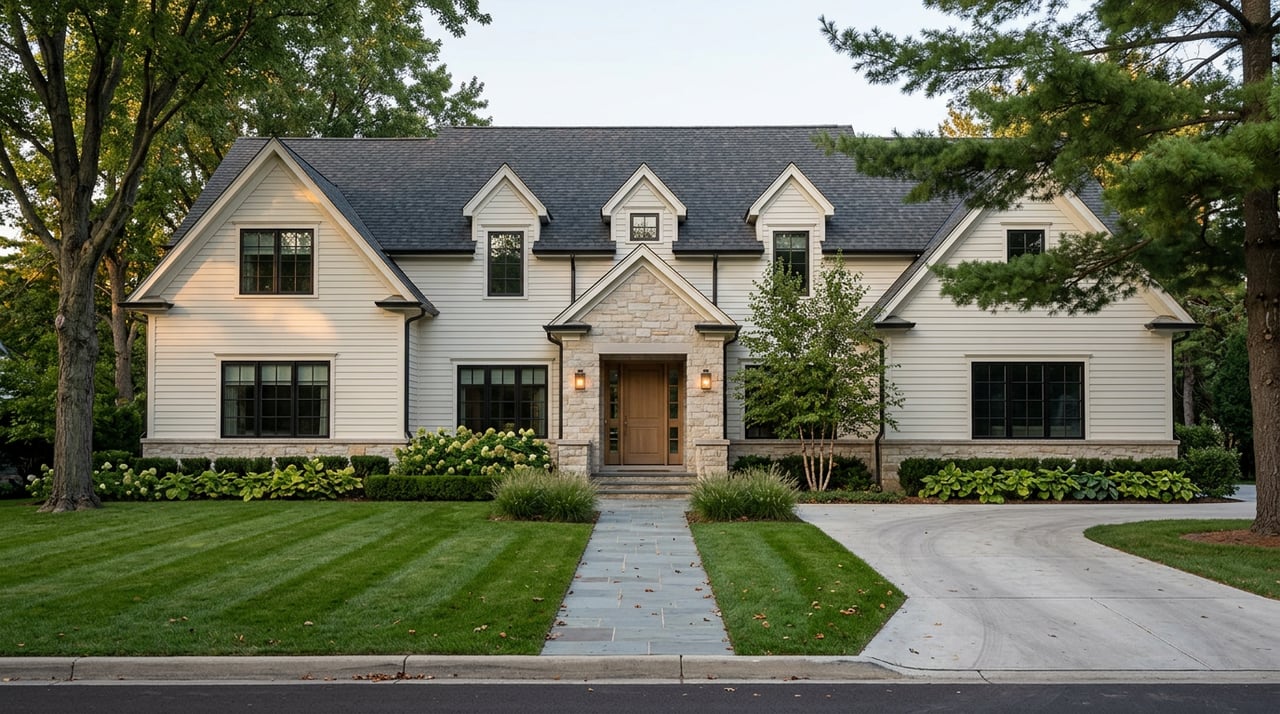
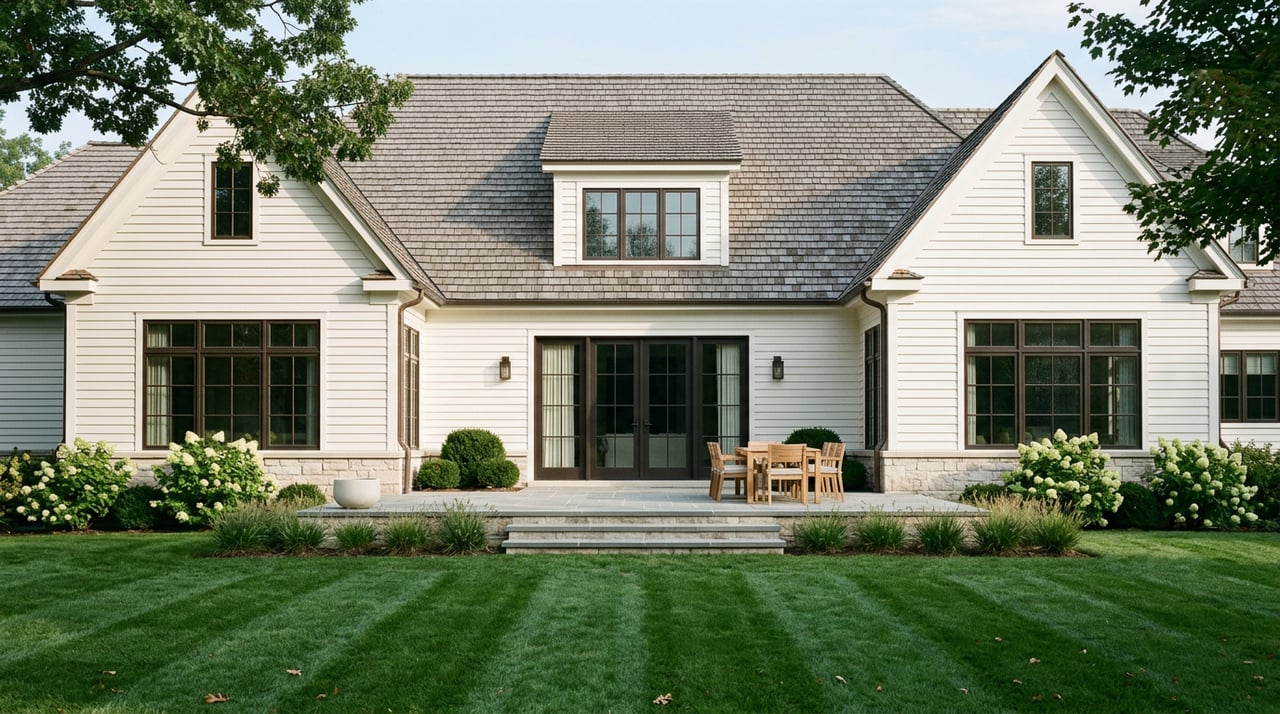
Woodland safeguards its estate feel through zoning. The city maintains a two‑acre minimum lot area for new main buildings, with specific exceptions in the Assembly Grounds. There are also minimum lot widths, generally 100 feet outside the Assembly Grounds, and firm limits on lot coverage and impervious surfaces. Together, these rules reduce visual massing, preserve mature trees, and reinforce an estate‑scale setting. You can review the details in the City zoning code Chapter 9 and supporting policies in the Comprehensive Plan.
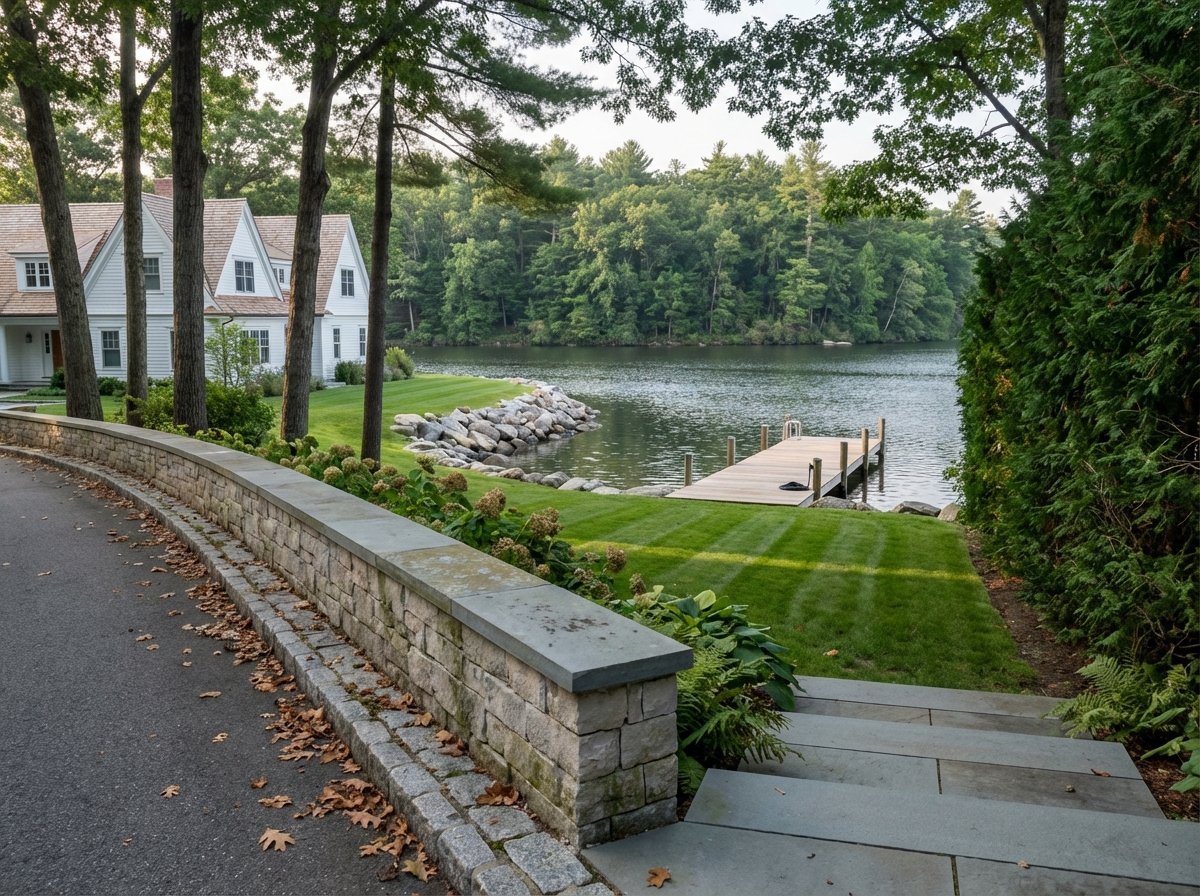
The landscape itself helps. Woodland’s planning materials describe winding, tree‑lined lanes, wetlands, and steep slopes in places, which layer in natural screening and a park‑like feel. The city actively protects trees and shoreline through permit requirements and licensed contractors for major vegetation work, outlined on Woodland’s Protecting Lakes & Trees page. For you, that means a consistently quiet, green backdrop and larger setbacks than you see in many lakeside towns.
The historic enclaves
Maplewoods estates
The Maplewoods area reflects Woodland’s classic identity: wooded estates, generous lots, and lakeshore properties set along winding lanes. The combination of large parcels and canopy preservation creates a sense of arrival and privacy from the street and the water.
Groveland Assembly Grounds
A unique exception sits by the water: the former Methodist Lakeside Assembly Grounds, now a Groveland homeowners association with about 41 homes. This enclave developed from an early‑1900s lakeside camp into a neighborhood with private roads and shared community grounds. The Comprehensive Plan’s history and maps explain why the Assembly Grounds is higher‑density than the rest of Woodland and how it maintains shared lakeshore access.
What this means for you
If you want an estate feel with maximum privacy, Maplewoods‑style parcels deliver scale, tree cover, and setbacks. If you prefer a community setting with shared shore access and a walkable cluster of homes, the Assembly Grounds offers that alternative. In either case, confirm any association rules, common‑area rights, and recorded easements before you write an offer.
Shoreline life and dock rules
Woodland’s shoreline is guided by both city rules and lakewide policy. The city’s Chapter 6 on watercraft and docks sets local provisions along the shore. Overlaid on that is the Lake Minnetonka Conservation District (LMCD), which issues many permits and defines speed, wake, and buoy rules that apply across cities.
LMCD’s seasonal guidance shapes daily life on the water. The current LMCD Summer Rules identify quiet‑water areas, set minimum wake distances from shore (300 feet), and outline noise rules, including sound that is plainly audible at 150 feet between 10 p.m. and 7 a.m. These limits help keep sheltered bays calmer in the evenings and reduce late‑night noise for lakeside homes.
If you are considering a property with a dock or a slip, verify rights early. In the Assembly Grounds, lakeshore is shared and docking is managed through the association. Elsewhere, dock rights and any lifts or boathouses are subject to LMCD permits and city rules, plus any deeded easements. Confirm the specific license or assignment tied to the parcel and the scope of what is allowed before you plan improvements.
Services and everyday access
Woodland keeps administration lean by working with neighboring cities. The city conducts administration from Deephaven City Hall and contracts police with Deephaven and fire protection with Wayzata, as described in municipal communications and the Comprehensive Plan. These interlocal arrangements preserve Woodland’s quiet, residential focus while keeping essential services close.
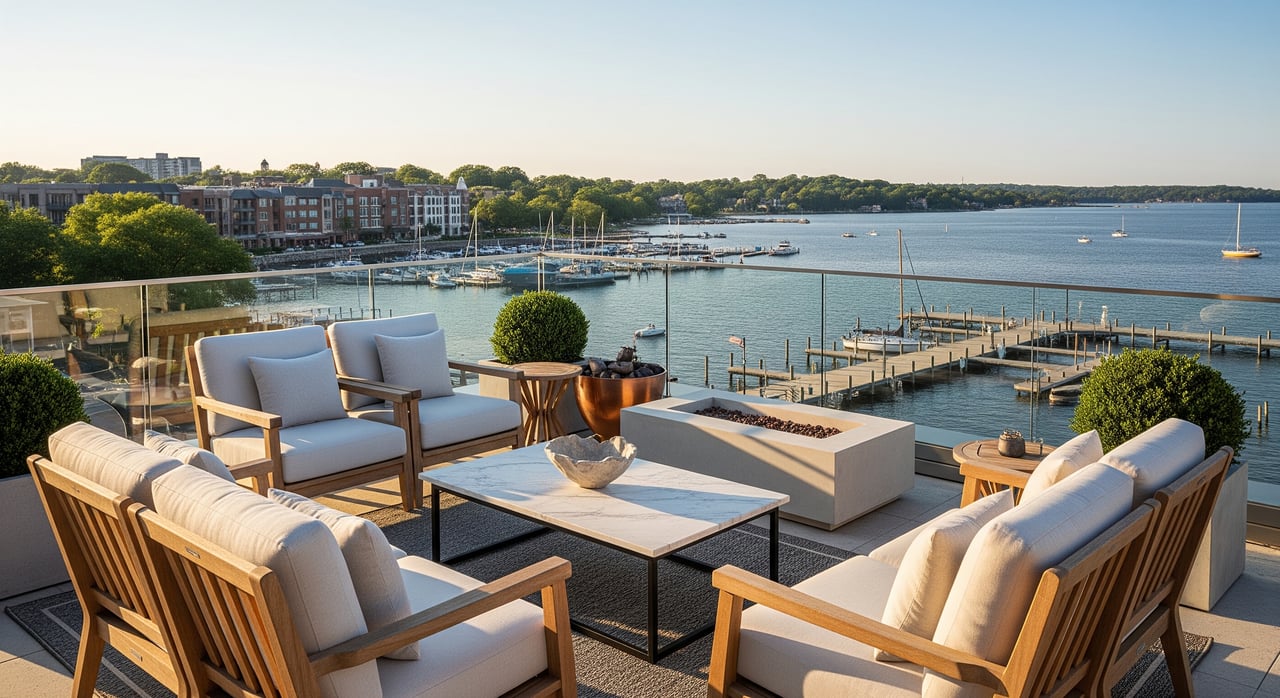
You are also near restaurants, marinas, and boutiques without giving up seclusion. Planning documents highlight the short drives and boat rides to Wayzata and Deephaven. Woodland is not remote. It is intentionally low‑density and tucked under the trees, yet physically close to Wayzata’s downtown energy.
Buying or selling here
For buyers
- Verify lot size and build rules. Woodland maintains a two‑acre minimum for new main buildings outside the Assembly Grounds, with lot width and coverage limits. Confirm any nonconforming status or variances with the city.
- Confirm dock and shore rights. Determine if a slip is private, deeded through an association, or assigned annually, and whether LMCD or city permits apply to planned lifts or platforms.
- Review landscape limits early. Tree removal, bluff work, or shoreline changes can trigger permits with the city, watershed partners, and LMCD. Budget time for approvals.
- Understand the enclave. In the Assembly Grounds, ask for HOA documents that explain shared grounds, parking, guest access, and docking procedures.
For sellers
- Gather documents that answer buyer questions. Provide surveys, association bylaws, dock licenses or assignments, and any recent permits for vegetation or shoreline work.
- Present the setting as a feature. Highlight tree canopy, setbacks, and outdoor living that reflect Woodland’s estate character and lake access rules.
- Prepare for precise questions. Buyers will ask about impervious limits, slope protections, and dock allowances. Have your disclosures and records organized.
- Price with local context. Transaction volumes in Woodland are small, so an on‑point analysis benefits from a custom review of recent, directly comparable sales.
Quick reference checklist
- Confirm lot area, width, setbacks, coverage, and any variances in the city’s zoning code Chapter 9.
- Ask for HOA documents in the Assembly Grounds, including how dock slips are assigned.
- Verify dock rights and whether LMCD permits or city approvals are needed for any lifts or platforms.
- Check if planned tree work or shoreline projects require vegetation or watershed permits.
- Note any steep slopes or wetlands that could affect additions or grading.
- Clarify who maintains roads if a property sits on a private lane within an association.
- Understand quiet‑water and noise rules that shape evening and weekend lake activity.
Work with a discreet local expert
Woodland rewards buyers and sellers who do their homework on zoning, docks, and conservation rules. If you want a quiet estate setting or a historic community with shared shore, the right guidance makes the difference between a smooth close and avoidable surprises. For confidential advice and a tailored plan, connect with Jeffrey Dewing. Request a private valuation & consultation.
FAQs
What and where is Woodland in Hennepin County?
- Woodland is an incorporated city on Lake Minnetonka’s southeastern shore between Wayzata and Deephaven, deliberately small and residential with extensive lakes and wetlands.
How big are lots and can I subdivide?
- Woodland preserves a two‑acre minimum lot area for new main buildings outside the Assembly Grounds; exceptions and nonconforming rules exist, so confirm specifics with the city.
Who controls docks and boat rules in Woodland?
- Dock rights and many permits are lakewide through the LMCD, and Woodland’s municipal code adds local shoreline rules; always verify licenses and allowed equipment.
Are there private roads or shared shoreline areas?
- Yes, the Assembly Grounds has private roads and shared community lakeshore; most other streets are public and tree‑screened with larger setbacks.
How quiet are evenings on the lake near Woodland?
- LMCD rules define quiet‑water areas, minimum wake distances, and nighttime noise limits, which help keep sheltered coves calmer after dark.
Do I need permits for tree or shoreline work?
- Major vegetation clearing, bluff work, or shoreline changes often require city permits and coordination with watershed and lake agencies; plan ahead for approvals.