Morning coffee by the lake, dinner a short stroll from home, and a waterfront trail right outside your door. If that sounds like your pace, downtown Wayzata may be exactly what you’re looking for. You want convenience, a strong sense of place, and a home that complements a lake‑centric lifestyle. In this guide, you’ll learn what day‑to‑day life feels like, which housing options to expect, how transportation works, and what to check before you buy. Let’s dive in.
Downtown Wayzata at a glance
Wayzata sits on the eastern shore of Lake Minnetonka in Hennepin County, west of Minneapolis. The downtown core is compact and walkable, with short blocks, sidewalks, and storefronts that make everyday errands easy. The lake shapes the rhythm of the neighborhood, from summer boating to winter ice activities.
You are within commuting distance of Minneapolis. Typical drive times to downtown Minneapolis are often 20 to 35 minutes depending on traffic and route. Many residents choose downtown Wayzata for its blend of small‑town charm and access to a major metro.
Expect a lively, well‑kept streetscape and a steady flow of visitors in warmer months. The energy is part of the appeal, especially if you enjoy being close to dining, shops, and the water.
Daily life on the lake
Walkability and downtown vibe
Downtown Wayzata is built for walking. Sidewalks connect boutiques, cafes, restaurants, and the waterfront in a few easy blocks. You can park once and cover a full list of errands on foot.
Accessibility varies by block. You will see crosswalks, curb cuts, and benches in many places, though details can change street by street. If walkability is a priority, visit the specific block of your prospective home at different times and days.
Dining, shopping, and services
You will find a mix of sit‑down restaurants, coffee shops, bakeries, wine and beer spots, and local gift and apparel boutiques. Service businesses, such as salons and professional offices, sit among the retail rows. Hours and foot traffic expand in spring and summer, then shift to a calmer pace in winter.
If you like to host friends or move between lunch meetings and evening plans on foot, this mix is a major advantage. You can step out for a quick coffee or a last‑minute dinner without getting in the car.
Waterfront access and boating
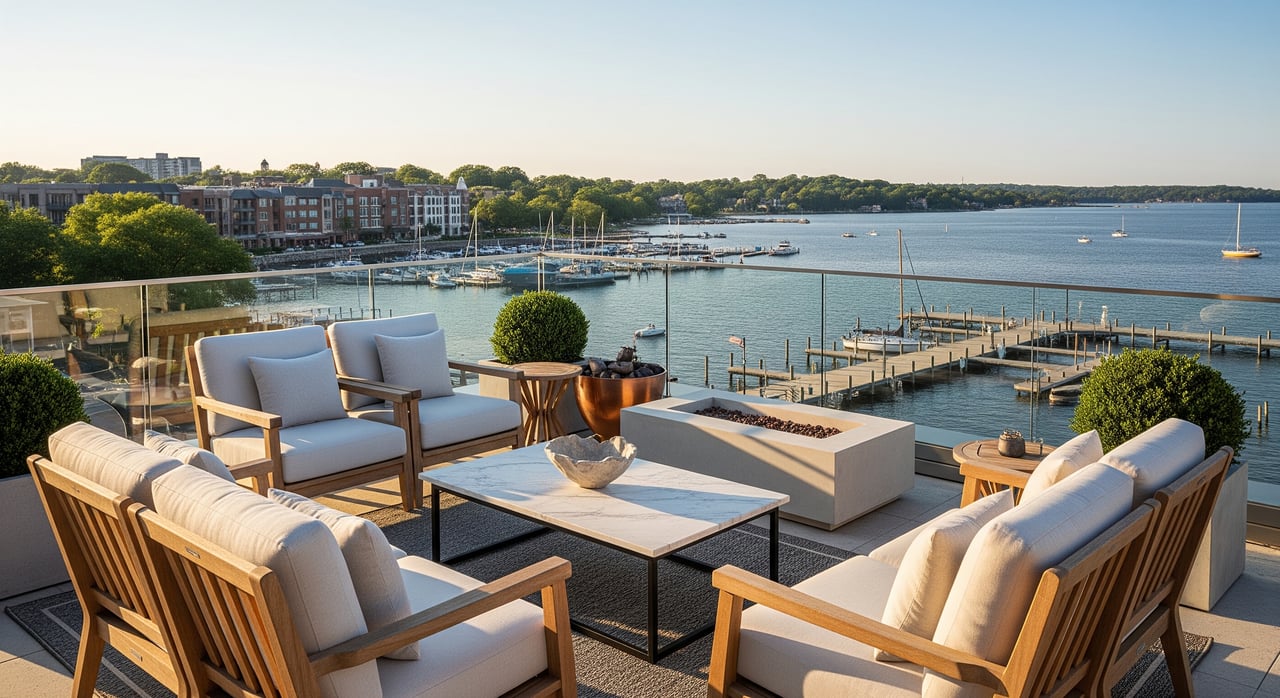
Lake Minnetonka is the neighborhood’s signature amenity. Downtown Wayzata fronts Wayzata Bay, where you can access a public beach and marina facilities. Seasonal boat slips, transient docking, and other lake access options are a major draw.
If boating is part of your plan, confirm details early. Slip availability, waitlists, launch rules, and seasonal fees are managed by city and regional lake organizations. These factors can change year to year and by season.
Parks, trails, and recreation
Small parks and public spaces near the waterfront offer green space, lake views, and spots for picnics or casual gatherings. Regional and local trail connections around the Lake Minnetonka corridor support biking and walking, especially in warmer months. Some routes use local streets rather than fully separated trails, so check your preferred path for comfort and safety.
Events and the seasons
Downtown Wayzata hosts seasonal events and festivals throughout spring, summer, and fall. Summer is the busiest season, and the energy on the sidewalks and at the marina reflects that. Winters bring quieter streets, along with winter recreation on the lake, like ice fishing and skating.
If you enjoy seasonal variety, you will appreciate the shift in pace. If you prefer a more predictable environment, you may want to note event schedules and where crowds typically gather.
Housing options and lifestyle fit
Condos and townhomes
Many buyers choose condominiums or townhomes in or near downtown to simplify maintenance and stay close to the lake. These homes often trade private yards for building amenities and a short walk to restaurants and shops. For lock‑and‑leave living, this is a strong option.
When comparing buildings, review HOA rules, monthly assessments, reserve funds, pet policies, and any restrictions on leasing or short‑term rentals. Association policies affect daily life and long‑term resale value.
Single‑family homes and estates
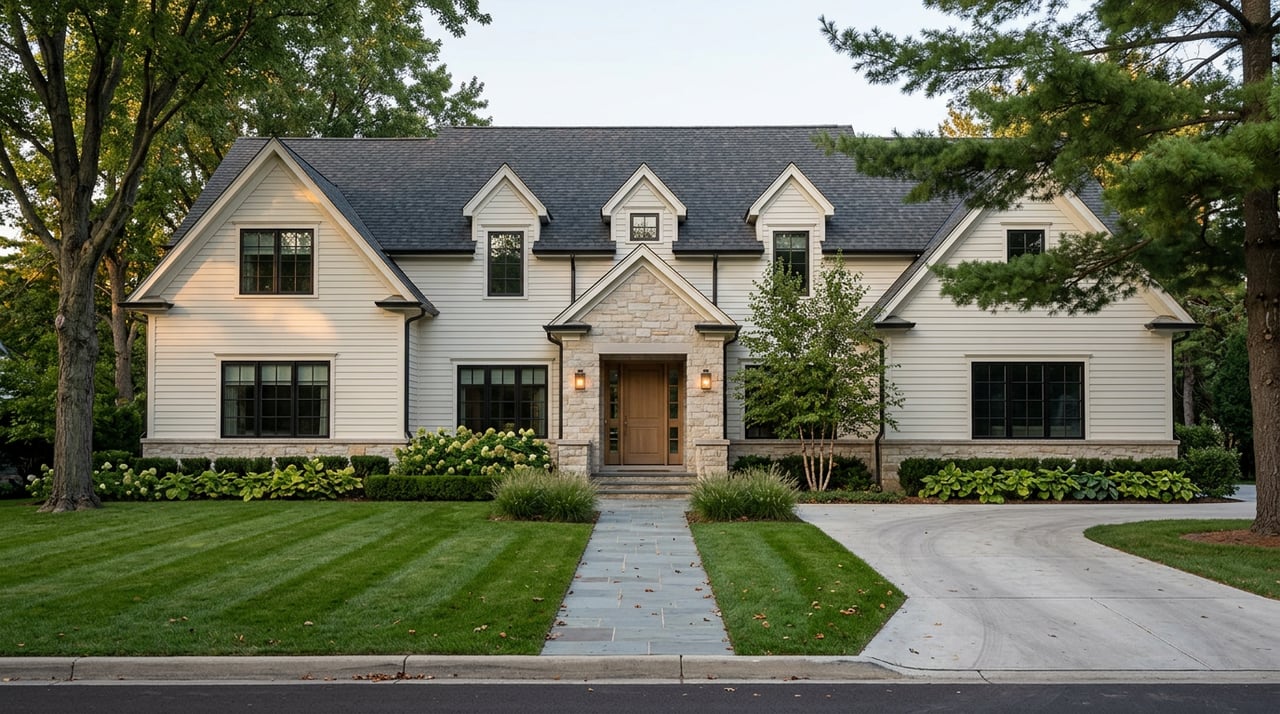
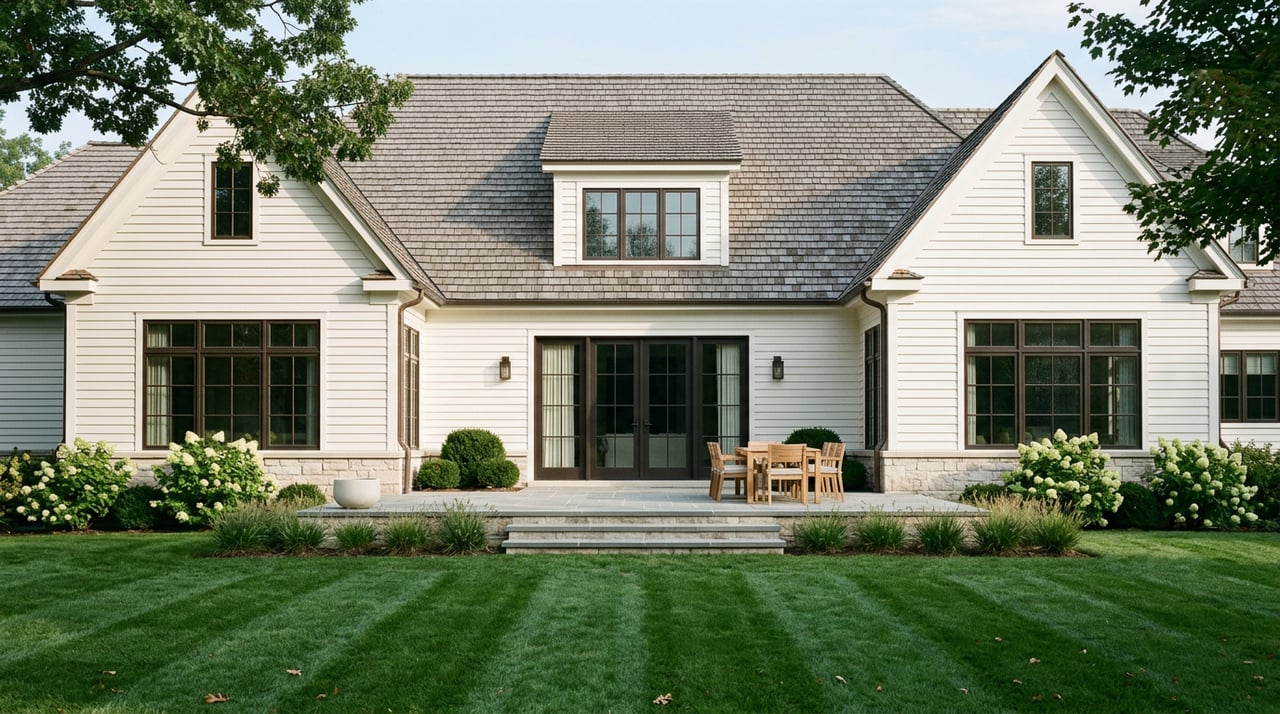
Beyond the downtown core, Wayzata includes single‑family neighborhoods with a range of properties, from modest older homes to large lakefront estates. If you value privacy or want more space, you can live a few minutes from downtown and still enjoy easy access to the waterfront and shops.
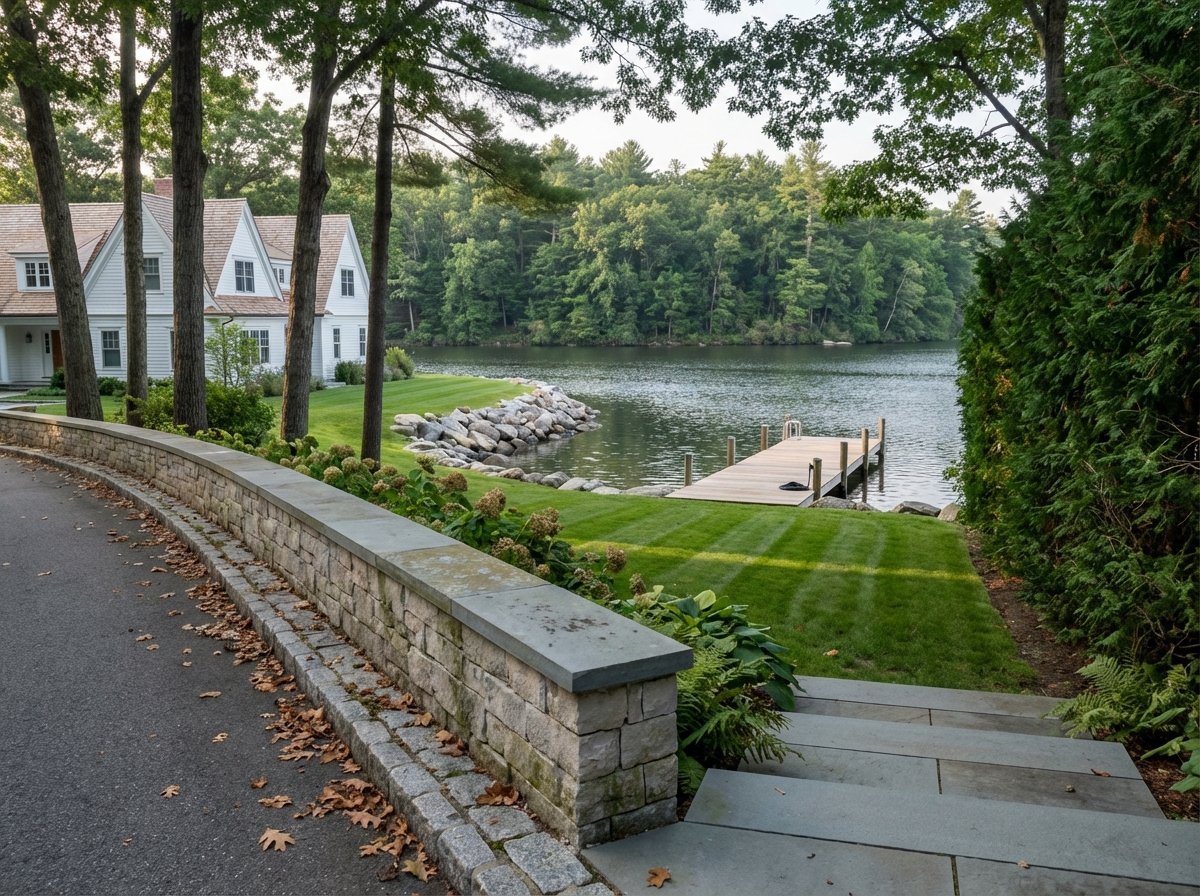
Lakeshore properties often carry higher assessed values and may require additional due diligence on shoreline rules, permits, and maintenance. Always confirm the specific requirements for docks, lifts, and shoreline treatments.
New mixed‑use developments
Some parcels in and near downtown redevelop into mixed‑use buildings that blend residential units with ground‑floor retail. These options can offer modern layouts, elevator access, and a fresh, urban‑meets‑lake feel. If you want contemporary finishes with a walkable address, this category is worth a look.
Costs to plan for
Wayzata is one of the more expensive areas in the Twin Cities metro due to lake proximity, demand for walkable living, and local school reputation. Budgets vary widely by housing type and location. Be sure to plan for the full cost picture:
- Monthly HOA or condo association fees
- Property taxes and assessments
- Utilities, especially heating in winter
- Marina slip fees or boat storage costs if applicable
- Parking costs for additional vehicles or guests
Downsizing to downtown Wayzata
Empty nesters often choose downtown Wayzata for ease and lifestyle. You can reduce maintenance, enjoy elevator access in many buildings, and put daily essentials a short walk away. The trade‑off is less private outdoor space in exchange for proximity to community amenities.
Storage and parking are common questions. Verify on‑site storage lockers, the number of assigned parking spaces, and guest parking options. For accessibility, note whether the building offers single‑level living and elevator service.
Consider the rhythm of the neighborhood. Active pedestrian blocks bring energy, which many residents love, while others prefer a home a block or two off the busiest streets for added privacy.
Getting around
Driving and parking
Wayzata connects to the Twin Cities via major arterials and freeway links, making it simple to reach Minneapolis, the airport, and neighboring suburbs. Drive times vary with time of day, weather, and route. During peak events and summer weekends, parking in the core can be tight.
You will find a mix of on‑street parking, municipal lots, and private garages that serve residents and businesses. Building options vary from attached garage stalls to assigned spaces to no on‑site parking, so confirm what is included with a specific home.
Transit and park‑and‑ride
Regional transit service connects western suburbs to Minneapolis and other destinations. Routes and schedules are managed by Metro Transit and can change, so it is smart to check current express service and park‑and‑ride locations if transit matters to your commute.
Rideshare is common for evenings out or airport trips. For shorter local errands, the downtown layout encourages walking.
Biking and walking
Biking is popular in warmer months for recreation and short trips. Winter biking is more limited. Sidewalks and trails support daily walking, which many residents consider a key part of the downtown Wayzata lifestyle.
Practical checks before you buy
A few targeted checks can save you time and help you choose the right home.
- Walkability: Visit the property’s block at different times and days to understand foot traffic, noise, and nighttime lighting.
- HOA health: Review association rules, monthly dues, reserve studies, and any planned assessments. Ask about pet policies and short‑term rental rules.
- Parking and guests: Confirm the number and location of your assigned spaces and the availability of guest parking, especially during peak season.
- Marina and boating: Ask about slip availability, waitlists, and seasonal costs for residents.
- Transit access: Map your commute and check park‑and‑ride or express bus options.
- Market context: Compare recent sale prices and time on market for similar condos, townhomes, and nearby single‑family homes.
- Shoreline matters: If near the water, confirm permits, wake rules, and any upcoming lake management activities.
- Ownership costs: Estimate property taxes and utilities for comparable homes. Older properties may have higher maintenance costs.
- Events and seasonality: Understand how festivals, markets, and lake activity may affect noise and parking near your home.
- Accessibility: For downsizing, confirm storage availability, elevators, and true single‑level living if needed.
Is downtown Wayzata right for you?
Choose downtown Wayzata if you want a walkable, lake‑driven lifestyle with easy access to dining and daily services. You will trade a bigger yard for a front‑row seat to the water and a village‑like core. If you value privacy and more space, look just beyond the center and keep downtown in your daily orbit.
The key is to match your home to your routines. Whether you are downsizing, relocating for work, or seeking a second home near the water, you can tailor your search to your preferred balance of activity, convenience, and calm.
Ready to explore specific buildings, HOA policies, and lake access options that fit your goals? Reach out for confidential, data‑driven guidance and curated property options. Jeffrey Dewing offers private valuations, local insight, and a streamlined search designed for discerning buyers and sellers.
FAQs
How long is the commute from downtown Wayzata to Minneapolis?
- Typical drive times are often 20 to 35 minutes depending on traffic, route, and time of day.
What is walkability like in downtown Wayzata for daily errands?
- The core is compact with sidewalks and short blocks, though accessibility and crossings vary by location, so check your exact block in person.
Are marina slips available for residents living near Wayzata Bay?
- Slip availability, waitlists, and fees are managed by city and regional lake organizations and change by season and year, so verify current details.
What housing types are common in downtown Wayzata?
- You will see a mix of condos and townhomes in or near downtown, single‑family homes in the broader area, and some mixed‑use buildings with residences over retail.
How busy does downtown Wayzata get in summer and winter?
- Summer brings the most activity due to boating and events, while winter is quieter with lake‑based activities like ice fishing and skating.
What should downsizers consider before buying a condo in downtown Wayzata?
- Confirm storage options, assigned parking, HOA rules and fees, and accessibility features such as elevators and single‑level layouts.