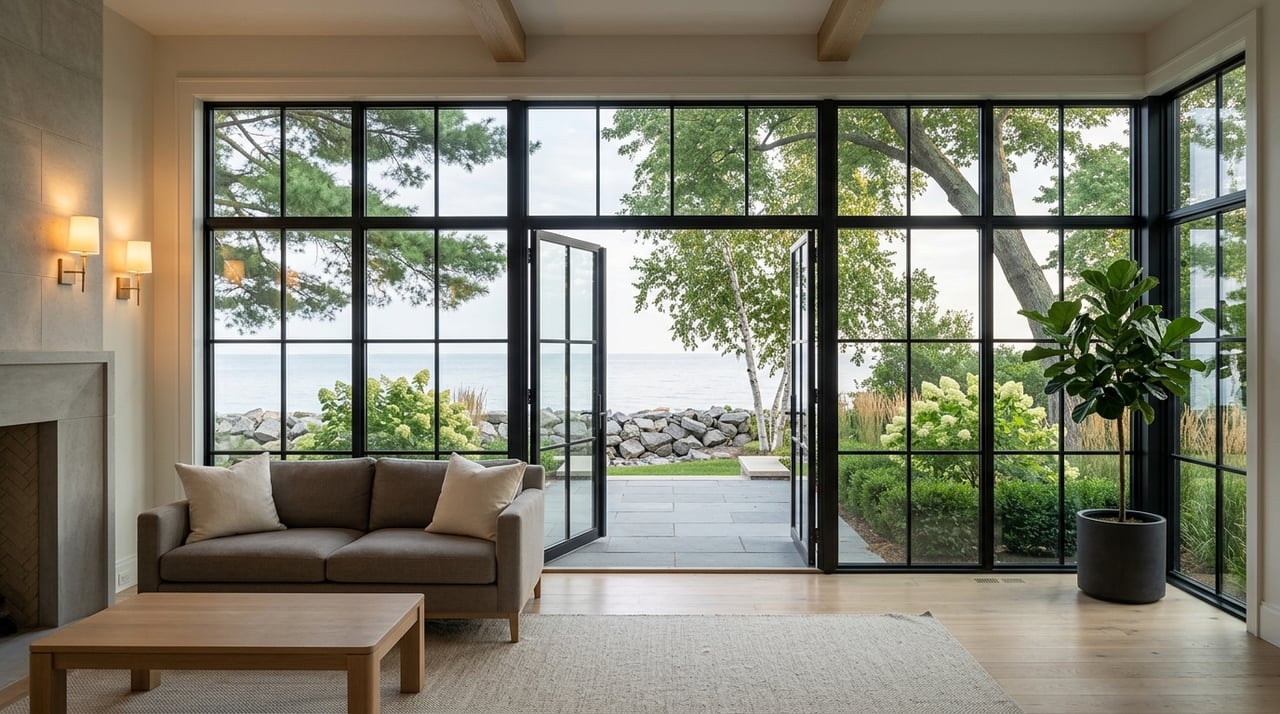
If you want Lake Minnetonka living without limiting yourself to only private shoreline homes, Mound deserves a close look. This compact lakeside city gives you a mix of public lake access, everyday recreation, and a community calendar that stays active well beyond peak summer. If you are weighing lifestyle as much as square footage, here is what makes Mound especially appealing for active buyers. Let’s dive in.
Why Mound Stands Out
Mound sits on the western shore of Lake Minnetonka and is about 20 miles west of Minneapolis. At roughly 4.96 square miles, it can feel more close-knit than larger lake communities while still being practical for many commuters.
That small footprint is part of the appeal. You are not just buying near the lake. You are buying into a city built around parks, open spaces, trails, beaches, docks, and regular public events.
Lake Access Beyond Waterfront Ownership
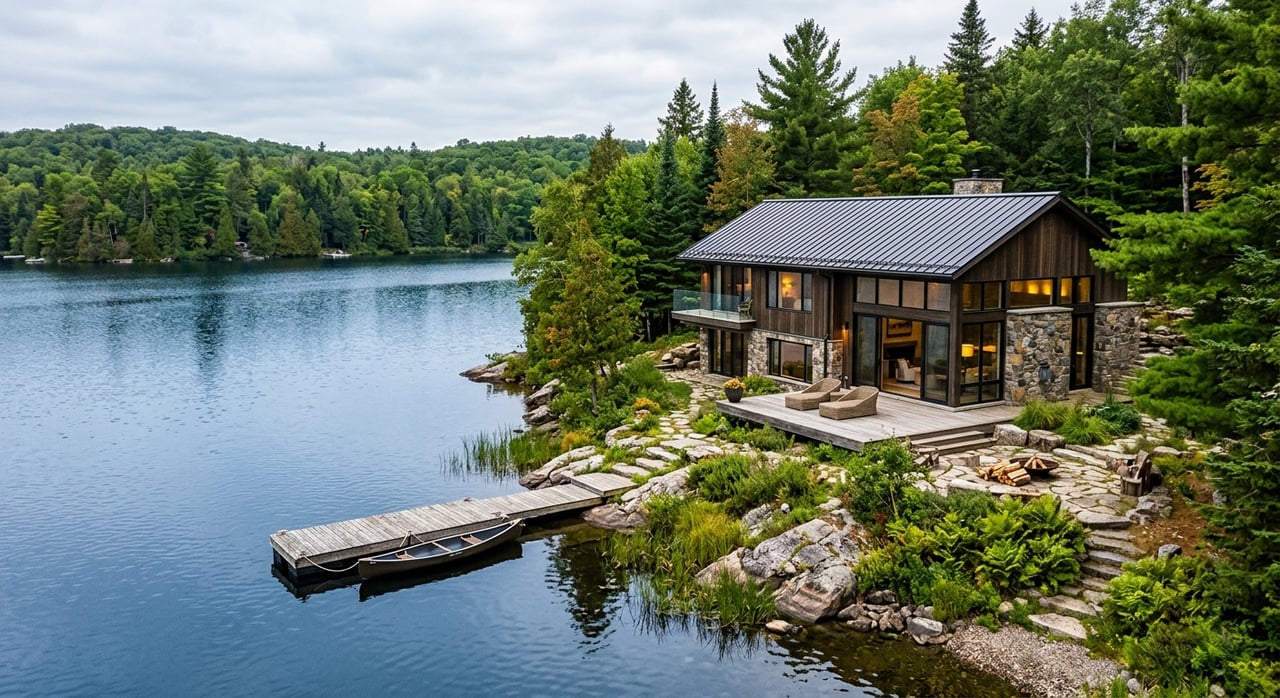
One of the biggest reasons buyers look at Mound is that lake access is not limited to those buying direct frontage. The city’s Docks & Commons Program is a defining feature and, according to the city, is the largest municipally owned dock program in Minnesota, with capacity to permit up to 637 boats annually on Lake Minnetonka.
That matters if you want an active boating lifestyle but are also considering off-lake homes. In Mound, your options can include city-managed dock access, transient docks, and shoreline commons, depending on the property and the program rules in place.
Key Dock Access Types
Buyers should understand that not all lake access works the same way. The details can affect your offer strategy, your long-term plans, and what you can realistically expect after closing.
- Inland resident dock sites and slip sites: The city lists about 144 dock sites and 100 slip sites. These are not transferable when a home sells, and the city maintains a waitlist.
- Abutting dock sites: The city lists about 167 sites in designated commons next to lakeshore property. These can transfer with the adjacent property, but owners still complete annual applications, pay fees, and maintain their own docks.
- Lost Lake slips: The city operates 47 overnight slips near Lost Lake Commons Park.
- Transient docks: Mound offers 14 day-use docks at the Lost Lake Greenway and Pier for public access to downtown, plus another transient dock at Surfside Park and Beach.
What Buyers Should Verify Before They Write
A common mistake is assuming that any nearby dock, commons area, or shoreline path automatically gives you guaranteed long-term boat access. In Mound, access rights can be transferable, waitlisted, or tied to a specific abutting parcel.
Before you move forward on a property, verify exactly what comes with it. You will want to confirm whether access is attached to the home, subject to city waitlists, or governed by separate annual application requirements.
How Commons Areas Function
Mound’s shoreline commons are a major part of its identity. Historically, they were created so more residents could reach Lake Minnetonka, and they still serve as valuable recreational access points today.
At the same time, buyers should understand their limits. The city’s comprehensive plan notes that commons areas are generally not designed for broad community boat launching or parking, though some sites may allow launching, limited parking, swimming, or fishing depending on the location.
Boating Rules and Water Conditions Matter
If boating is central to your lifestyle, practical details matter as much as views. The Lake Minnetonka Conservation District regulates docks, structures, and watercraft on the lake, and some dock situations may require permits depending on the setup and use.
Water depth is another important factor. The district notes that depth can vary significantly from bay to bay, and even within the same bay, while seasonal conditions and precipitation can also change water levels.
That can affect the type of boat you keep, where a lift can be placed, and whether a specific shoreline setup fits your plans. For active buyers, this is one of the most important due diligence steps in Mound and across Lake Minnetonka.
Wake Rules to Know
Lake Minnetonka is one of the busiest lakes in Minnesota, so safe operation rules are part of everyday ownership. Current wake rules require 5 mph within 300 feet of shore and within 150 feet of docks, anchored boats, swimmers, or diver flags.
For buyers who picture frequent boating, paddle sports, or shoreline entertaining, it helps to understand these operating rules early. They shape how the lake feels day to day and how different bays and shoreline settings may suit your routine.
Parks and Trails Support Daily Activity
Mound is not just about getting on the water. The city maintains 38 parks and open spaces and places a strong emphasis on trails and recreation, which gives you options for active daily living even when you are not boating.
That variety is especially valuable if you want a lake lifestyle that works in every season. In Mound, outdoor activity is part of regular life, not just a weekend plan.
Surfside Park and Beach
Surfside Park and Beach is one of the city’s signature public spaces. The city lists a beach, picnic and BBQ area, playground, beach volleyball, and fishing, making it a central gathering place for lake-oriented recreation.
The site also hosts community activity and includes the Surfside Park Depot, which is available for rentals. For many buyers, this kind of public amenity adds real lifestyle value beyond the lot lines of any one property.
Lost Lake Shore Access
Lost Lake Shore is another useful example of how Mound spreads lake access throughout the city. It provides access to the lake, and nearby parking is available at the municipal ramp on Shoreline Drive.
For buyers comparing neighborhoods or home types, these distributed access points can make off-lake ownership more compelling. You may not need private shoreline to maintain a very lake-centered routine.
Dakota Rail Regional Trail
The Dakota Rail Regional Trail is one of Mound’s strongest year-round lifestyle assets. Three Rivers Park District describes it as a paved 13.5-mile trail following the former Dakota Rail corridor through Mound and neighboring west Lake Minnetonka communities.
The trail is used by bikers, hikers, runners, in-line skaters, roller-skiers, and dog-walkers. It is open from 5 AM to 10 PM, includes public parking in Mound, and the Mound segment is plowed in winter between County Road 110 and Seton Channel.
For active buyers, this is a major advantage. It adds real daily usability and helps make Mound feel like a four-season lifestyle location rather than a place that peaks only in midsummer.
Mound Has a Social Lake Rhythm
Some lake towns are beautiful but quiet. Mound offers a different experience, with a city calendar that supports a more social, event-driven lifestyle.
From May through October, the Mound Farmers’ Market & More helps create a steady seasonal rhythm. The broader annual calendar also includes the Mound Fire Department Annual Fish Fry & Dance in June, Spirit of the Lakes Festival in July, Westonka Dog Days in August, Our Lady of the Lake Incredible Festival in September, and Tonka Brew Fest in November.
Spirit of the Lakes Festival
Spirit of the Lakes is one of the clearest examples of Mound’s community energy. Held at Surfside Park and Beach, the festival includes live music, arts and crafts, a parade, fireworks, family activities, and lake-centered programming such as wakesurf events and a boat-in movie.
For buyers, that says something important about the city’s identity. Mound’s connection to the lake is not only scenic. It is social, visible, and woven into the annual calendar.
Long-Running Local Traditions
The Mound Fire Department Annual Fish Fry & Dance adds to that small-town feel. Held on the first Saturday in June, it includes dinner, live music, and children’s activities.
When you look at the full calendar, Mound reads as a place where public spaces get used and community traditions show up year after year. If you want activity, access, and a sense of momentum, that consistency matters.
What Active Buyers Should Focus On
If Mound is on your short list, your home search should go beyond basic filters like price, bed count, and frontage. The better question is how you want to use the area on an average Tuesday, not just on a sunny Saturday in July.
As you compare homes, focus on a few practical lifestyle points:
- Lake access type: Is access transferable, waitlisted, public, or tied to an abutting parcel?
- Boat fit: Do water depth and shoreline conditions support your boat, lift, and seasonal use plans?
- Trail and park proximity: How easily can you reach Surfside, the Dakota Rail Regional Trail, or other public spaces?
- Commute comfort: Mound offers a smaller-scale setting while remaining feasible for many who travel toward Minneapolis.
- Year-round use: Look at how the home supports summer boating, shoulder-season recreation, and winter trail access.
For many buyers, Mound works best when you think of it as an access-oriented lake community rather than only a waterfront market. That mindset can open up strong options and help you find a property that matches how you actually live.
If you are considering Mound or other Lake Minnetonka communities, working with an advisor who understands both the lifestyle details and the property-level nuances can make your search far more efficient. To discuss your goals with a local Lake Minnetonka expert, connect with Jeffrey Dewing.
FAQs
How does lake access work for off-lake homes in Mound?
- Off-lake buyers may have access through Mound’s Docks & Commons Program, shoreline commons, transient docks, or waitlisted dock and slip opportunities, depending on the property and city program rules.
What should buyers verify about dock rights in Mound before making an offer?
- You should confirm whether a dock site is transferable with the property, tied to an abutting parcel, subject to a waitlist, or dependent on annual city applications and fees.
What makes Mound appealing for active Lake Minnetonka buyers?
- Mound combines public lake access, 38 parks and open spaces, the Dakota Rail Regional Trail, beaches, docks, and a steady calendar of community events.
What boating factors matter most for Mound homebuyers?
- Water depth, seasonal low-water conditions, wake rules, and whether the shoreline or dock setup fits your boat and lift plans are key considerations.
What are the main public recreation spots in Mound for outdoor activity?
- Surfside Park and Beach, Lost Lake Shore, and the Dakota Rail Regional Trail are among the city’s most important public recreation assets for active buyers.
Is Mound practical for buyers who commute toward Minneapolis?
- Yes. The city describes Mound as about 20 miles west of Minneapolis, and local sources note it is approximately 30 minutes west of the city.