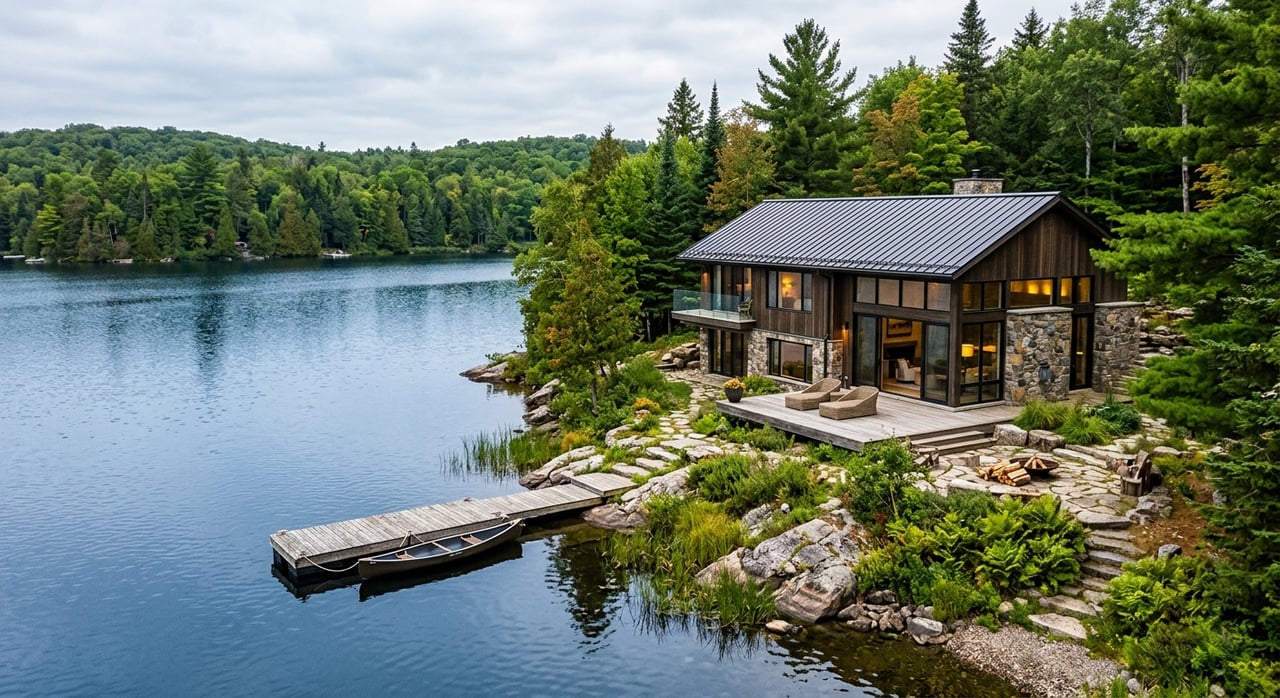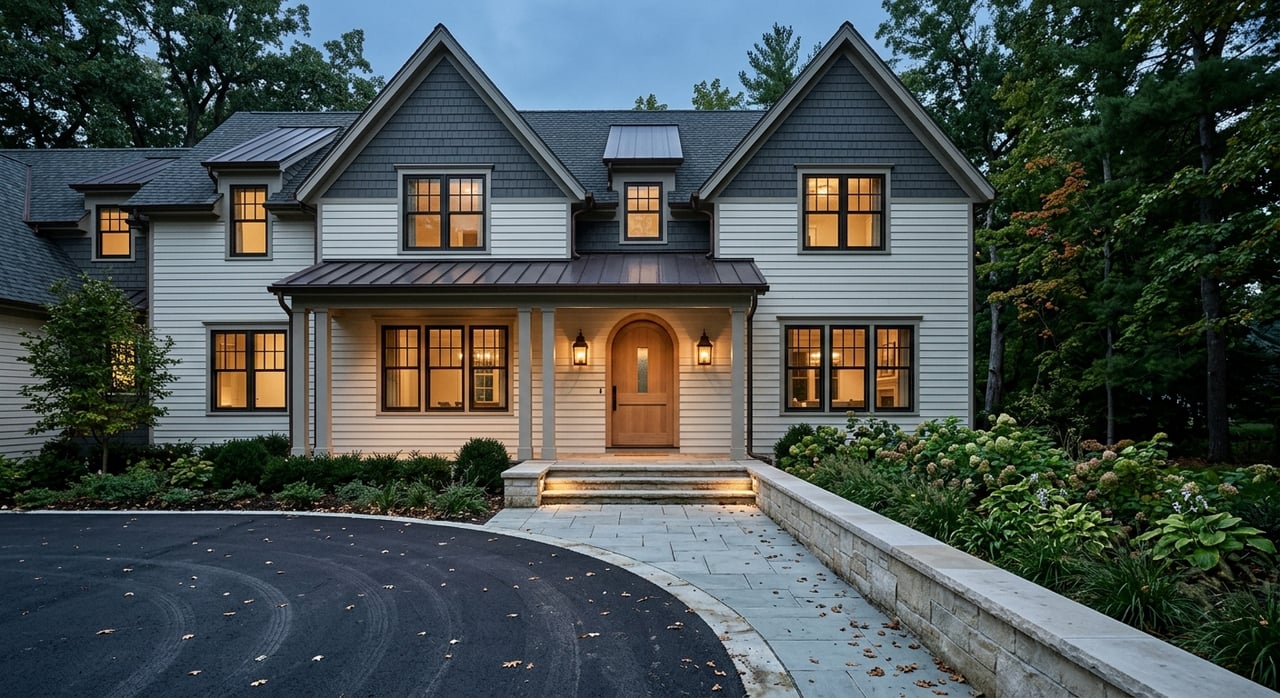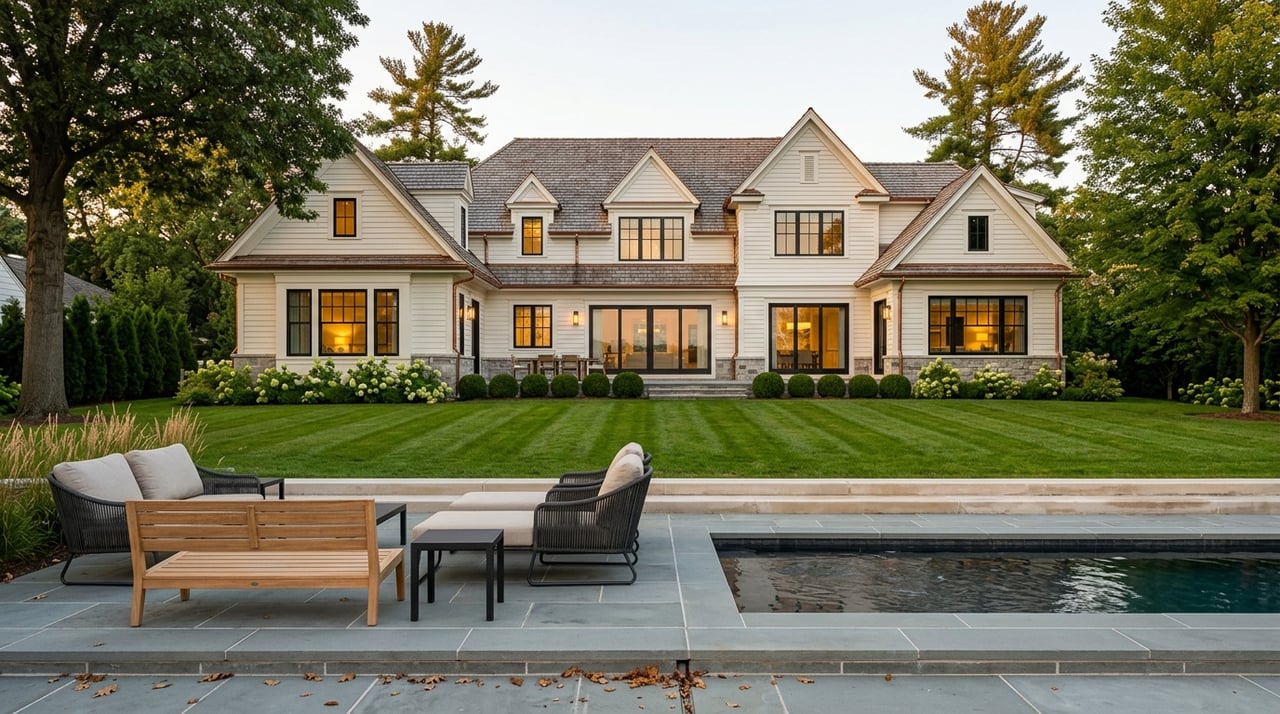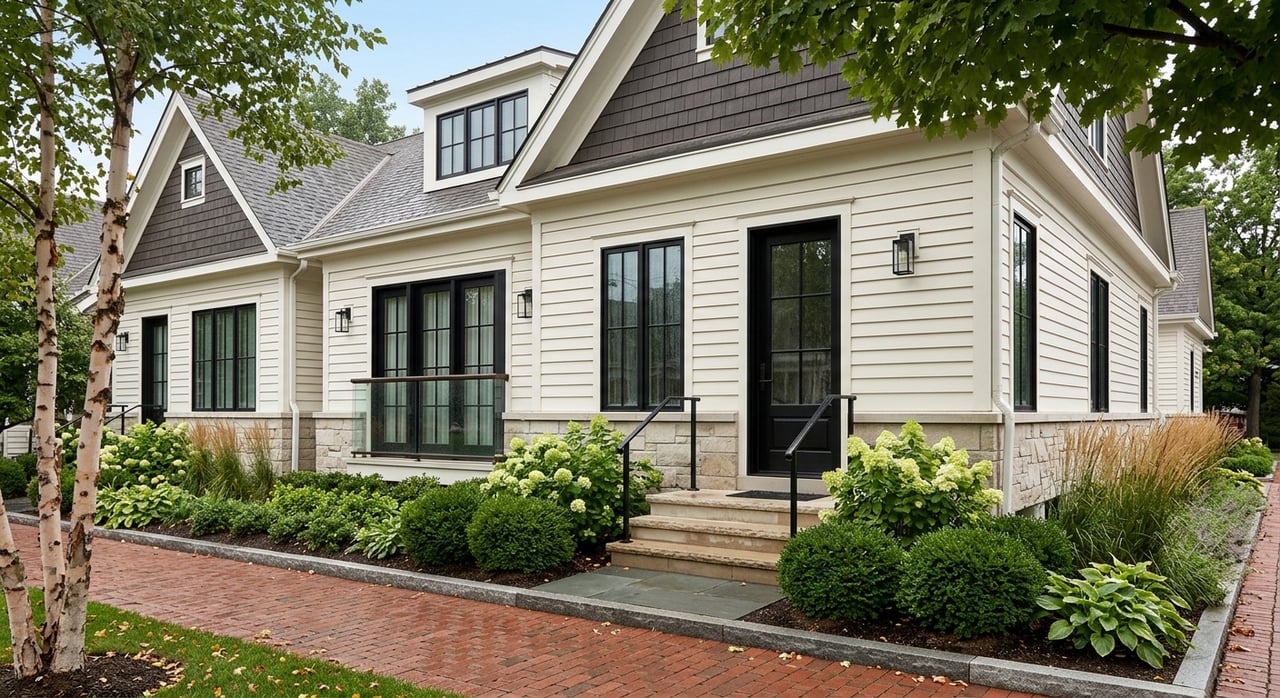
If you are dreaming about more land, more privacy, and a home that feels removed from the pace of the city, Minnetrista deserves a closer look. This part of western Hennepin County offers a rare mix of rural land patterns, lake access, and newer residential development, which can make acreage buying feel exciting but also more complex. If you want to plan your retreat wisely, it helps to understand how land use, zoning, utilities, and site constraints shape what is actually possible. Let’s dive in.
Why Minnetrista Appeals to Acreage Buyers
Minnetrista describes itself as a rural community on the western bays of Lake Minnetonka. The city covers about 32 square miles and has a population near 8,500, with a stated focus on blending emerging suburban development with rural and agricultural land uses while preserving rural character.
For you as a buyer, that means acreage in Minnetrista is not just about finding a large parcel. It is also about finding the right parcel in the right planning area, with a clear understanding of what the land can support now and in the future.
A Rural Setting With Regional Access
Minnetrista offers a setting that feels open and spread out, yet it remains connected to the broader Lake Minnetonka area. City planning materials show a mix of older rural and agricultural areas alongside post-2010 suburban development, including neighborhoods such as Woodland Cove.
That blend matters because it gives you options. You may prefer a true acreage environment with a well and septic, or you may want a property that still feels spacious while sitting closer to more recently developed residential areas.
Understand Minnetrista’s Land-Use Pattern
Before you focus on home style, finishes, or views, start with land use. Minnetrista’s comprehensive plan places parts of the city within Emerging Suburban Edge, Diversified Rural, and Agricultural planning areas, and the city’s land-use framework emphasizes large lots, open space, and preservation of rural character.
This is one of the biggest reasons Minnetrista stands out for acreage living. The local planning approach is not centered on dense, city-style growth. Instead, it supports a landscape where larger parcels and agricultural-scale land patterns still shape the community.
Why MUSA Matters
One of the first questions to ask is whether a parcel is inside or outside the MUSA, or Metropolitan Urban Service Area. According to the city’s planning materials, areas outside the MUSA may support residential use at very low densities, including 1 unit per 40 acres in Permanent Agriculture and 1 unit per 10 acres in Rural and Urban Reserve.
That has practical implications for your search. If you are planning a private retreat, hobby-farm setting, or long-term land hold, the parcel’s location within the city’s planning structure may affect everything from future split potential to utility access and development expectations.
Acreage Is Not the Same as a Large Lot
A common mistake is assuming that any oversized homesite functions like a true acreage property. In Minnetrista, that is not always the case.
A recent city planning packet summarized the R-1 Low Density Single Family Residence district with a minimum lot area of 14,500 square feet, a minimum depth of 120 feet, a minimum width of 90 feet, and density of 2 to 3 units per net acre. That can still feel spacious, but it is very different from a 10-acre or 40-acre land pattern.
Compare the Feel and Flexibility
If your goal is to add outbuildings, create distance from neighbors, or preserve a more rural setting, you need to look beyond lot size alone. A larger suburban lot may give you visual breathing room, but it may not offer the same use options or long-term feel as land in agricultural or rural planning areas.
In other words, size matters, but zoning and location matter just as much. The right property should match your intended lifestyle, not just your preferred acreage number.
Buildability Comes First
Once you identify a promising parcel, buildability should move to the top of your checklist. In Minnetrista, two properties with similar acreage can offer very different development options.
City case materials show that agricultural parcels may still carry significant siting constraints. In one example, Agriculture-zoned property standards included a required streetside setback of 90 feet, which shows how a large parcel can still have meaningful building limitations.
Ask the Right Buildability Questions
Before you commit, make sure you understand:
- Which zoning district applies to the property
- Whether any shoreland or other overlay rules apply
- What setbacks affect the buildable area
- Whether the parcel uses public utilities or private well and septic
- Whether a current survey is needed to confirm boundaries and site features
These are not small details. They shape where you can place a home, driveway, accessory structure, or future addition.
Utilities Can Define the Experience
Acreage living often comes with a different utility profile than homes in more serviced neighborhoods. Minnetrista provides city sewer and water in serviced areas, but the city also notes that many residents do not have public sewer and water available.
If you are buying in a more rural section of the city, private systems may be part of the package. The city states that Hennepin County regulates septic systems in Minnetrista, while the Minnesota Department of Health regulates wells.
Why This Matters Early
Utility setup affects cost, planning, and due diligence. If a parcel relies on private septic and a well, you will want to understand system condition, location, and future improvement options before finalizing a purchase.
This is especially important for larger sites where your plans may include expansion, accessory structures, or a revised layout over time. What looks straightforward on paper may require much closer site review in practice.
Roads, Access, and Maintenance Matter More Than You Think
When buyers picture acreage, they often focus on land and privacy first. In Minnetrista, road conditions and access deserve equal attention.
The city’s public works department reports about 19 miles of gravel roads and about 52 miles of paved roads, along with seasonal road restriction lists for many streets. The city also notes that routine tree maintenance outside the right-of-way is generally the property owner’s responsibility.
Think Beyond the Driveway
This matters because the ownership experience extends beyond the house itself. Access conditions, road maintenance patterns, and right-of-way considerations can influence daily convenience, contractor access, and future site work.
If you are evaluating a larger parcel, it is worth asking how the road approach, tree lines, and right-of-way affect both immediate use and long-term plans. A beautiful site should also work well in real life.
Outbuildings and Guest Space Need Careful Review
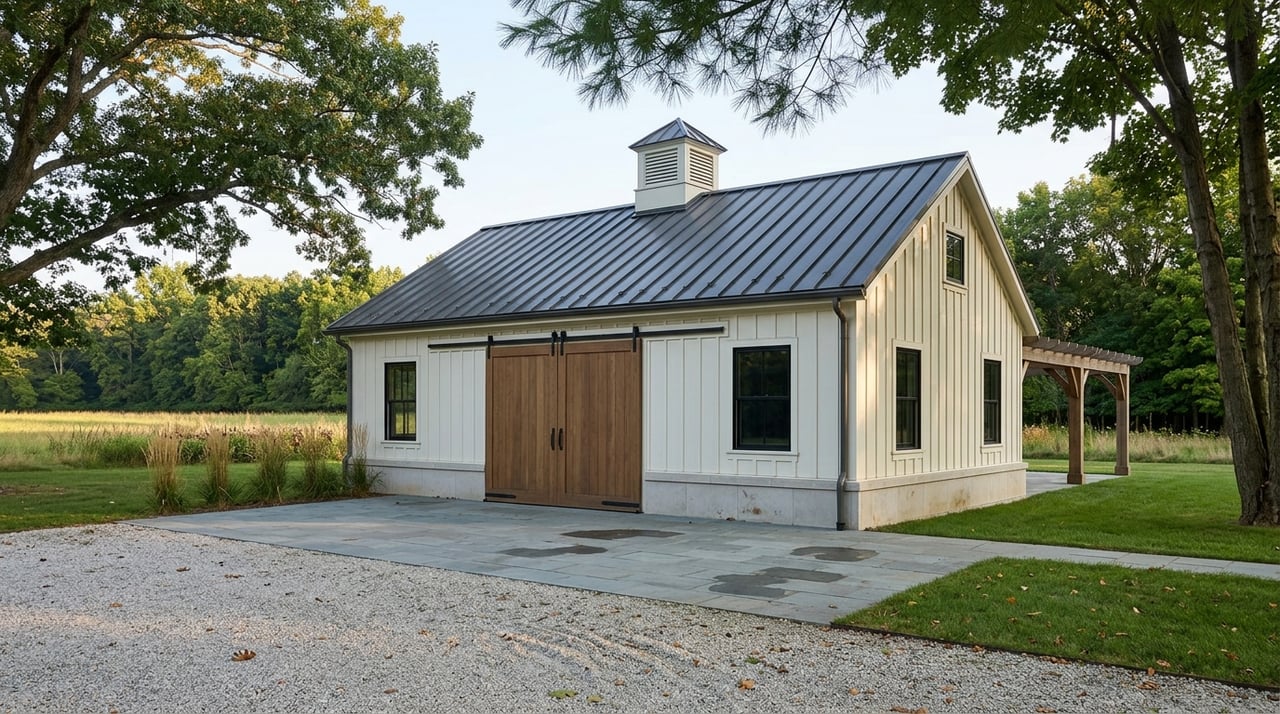
Many acreage buyers want flexibility for extra structures. You may be thinking about a detached garage, workshop, hobby building, recreational structure, or guest space.
Minnetrista’s code allows accessory structures and uses in residential and agricultural districts, including guest apartments, guest homes under 1,000 square feet in the A, AP, and R-1 districts, home occupations, and private recreational facilities on single-family lots.
Parcel-Specific Review Is Essential
Even with those allowances, you should not assume every rural-looking property can support every desired structure. The city updates zoning and land-use rules by ordinance, and the actual answer can depend on the parcel, district, setbacks, and overlay conditions.
If your retreat vision includes a guest home, shop, stable, or other specialized use, confirm feasibility before you fall in love with the property. This is one of the clearest places where expert planning can protect your time and investment.
Lakeshore Acreage Follows Different Rules
In Minnetrista, a parcel near the water may look like the ultimate retreat. It may also come with an extra layer of regulation.
City materials show that shoreland and lakeshore overlays can tighten setback and impervious coverage standards beyond inland rules. Detached accessory structures on lakeshore lots cannot be placed in the lakeshore yard, cannot exceed the height of the principal structure, and must remain at least 10 feet from the principal structure, with a limited 120-square-foot exception for certain storage uses.
Inland and Lakeside Parcels Are Not Equal
That means a lakeside acreage property may be more restricted than an inland parcel of similar size. If your plans include a barn, large detached garage, or additional recreational structure, the presence of shoreland rules could change what is feasible.
For buyers near Lake Minnetonka, overlay review should be treated as a separate step, not a minor zoning footnote. It can shape design, placement, and long-term enjoyment of the property.
Recreation Is Part of the Lifestyle
A Minnetrista acreage retreat is not just about private land. It is also about how that land connects to the surrounding lifestyle.
Lake Minnetonka Regional Park is a major local amenity, offering a public boat launch, fishing pier, biking and hiking trails, picnic areas, and a swim pond. Three Rivers Park District notes that it is one of the few public access points to Lake Minnetonka.
Trails and Open Space Add Value
Kingswood Park adds another layer of outdoor access, with 106 acres on Little Long Lake and about 1.4 miles of hiking trails. The city’s transportation plan also notes that the Dakota Rail Regional Trail runs through Minnetrista, while the Luce Line State Trail crosses the far northwest corner.
For you, this means acreage living here can combine privacy with meaningful recreation access. That balance is a major part of Minnetrista’s appeal, especially if you want open space without feeling isolated.
Use Maps and Surveys to Avoid Surprises
When you buy a larger parcel, assumptions can get expensive. Minnetrista’s Community Maps page confirms that the city tracks both a Parks and Trails Map and a Zoning Map, which can help you line up lifestyle goals with land-use realities.
You should also take surveys seriously. Hennepin County cautions that its surveyed-property map is for general reference only and that only a survey by a qualified land surveyor can accurately show boundaries and physical features.
A Survey Supports Better Decisions
On larger properties, exact boundaries matter. Barn locations, driveway placement, wetlands, tree lines, and any future improvement plans depend on knowing the site with confidence.
If the parcel is central to your long-term plans, a current survey can give you clarity where online maps cannot. That step often helps you move from broad interest to informed decision-making.
Plan the Retreat Before You Buy It
The best acreage purchases usually begin with a clear plan. Before you tour too many properties, define what your retreat needs to do for you.
Think through your priorities, such as:
- Desired acreage range
- Need for privacy versus convenience
- Public utilities versus private systems
- Interest in guest space or accessory structures
- Preference for inland land versus lakeshore land
- Access to trails, boating, or park amenities
When your criteria are clear, it becomes easier to separate a beautiful listing from the right long-term fit. In Minnetrista, that discipline can save you significant time and help you buy with confidence.
If you are considering an acreage purchase in Minnetrista, careful local guidance can make the process smoother from the start. From zoning context to site review to lifestyle alignment, the right strategy helps you evaluate not just what a property is, but what it can realistically become. For discreet, informed guidance on acreage and estate opportunities in the Lake Minnetonka area, connect with Jeffrey Dewing.
FAQs
What makes Minnetrista appealing for an acreage retreat?
- Minnetrista offers a rural setting on the western bays of Lake Minnetonka, with large-lot and agricultural land patterns, open space, and access to parks, trails, and lake amenities.
What should buyers ask about utilities on Minnetrista acreage?
- You should ask whether the parcel has public sewer and water or relies on private septic and a well, since many Minnetrista properties do not have public utility service available.
What should buyers know about zoning in Minnetrista?
- You should confirm the zoning district, setback rules, and whether any overlay applies, especially for properties near shoreland areas or wetlands.
What should buyers know about outbuildings in Minnetrista?
- Minnetrista allows certain accessory structures and guest spaces in residential and agricultural districts, but feasibility depends on the specific parcel, zoning standards, and any overlay restrictions.
What should buyers know about lakeshore acreage in Minnetrista?
- Lakeshore properties can have stricter rules for setbacks, impervious coverage, and detached accessory structures than inland parcels, so they require extra review before purchase.
Why is a survey important for a Minnetrista acreage property?
- A current survey can help confirm boundaries and physical features, which is especially important when you are evaluating setbacks, driveways, outbuildings, and future improvements on a larger parcel.