Shopping for a Lake Minnetonka home and wondering if your mortgage will be considered jumbo? You are not alone. High‑value properties around Wayzata often sit above standard lending thresholds, which can change how you qualify, what you pay, and how you structure your offer. In this guide, you will learn how to tell when a loan is jumbo in Hennepin County, what affects rates and approvals, what documents to prepare, and smart strategies to win in a competitive luxury market. Let’s dive in.
Jumbo loan basics in Wayzata
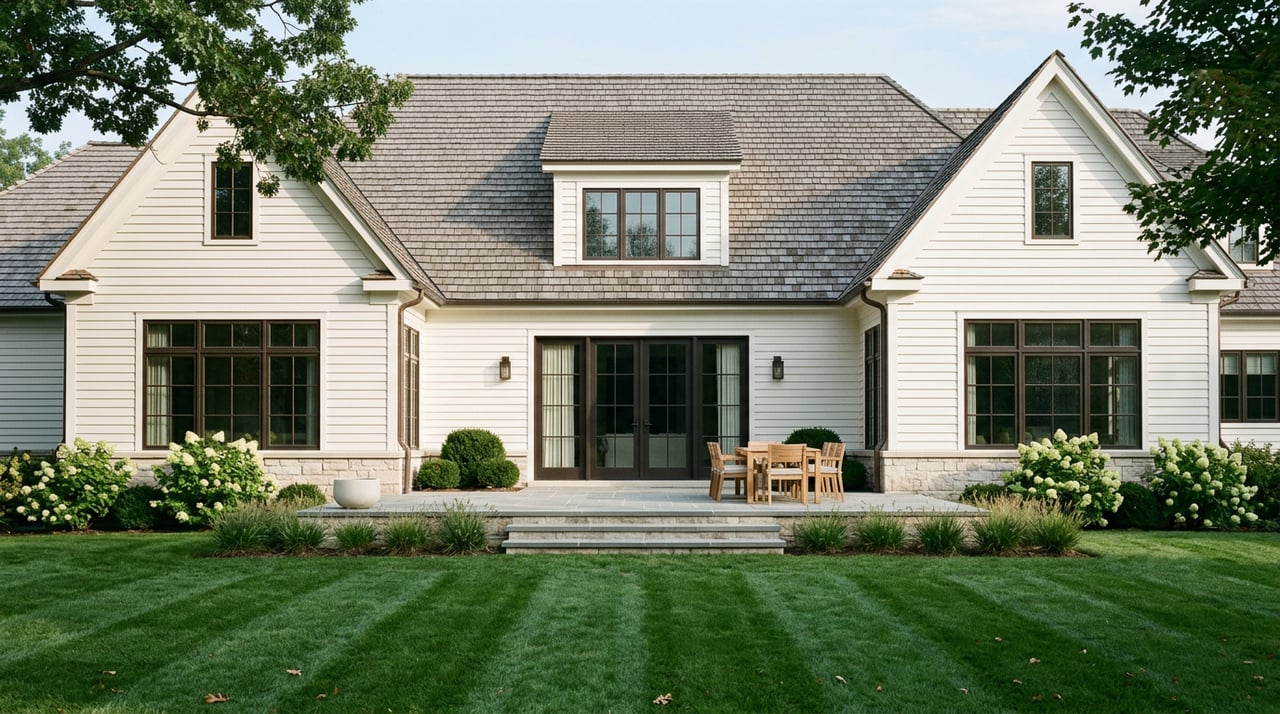
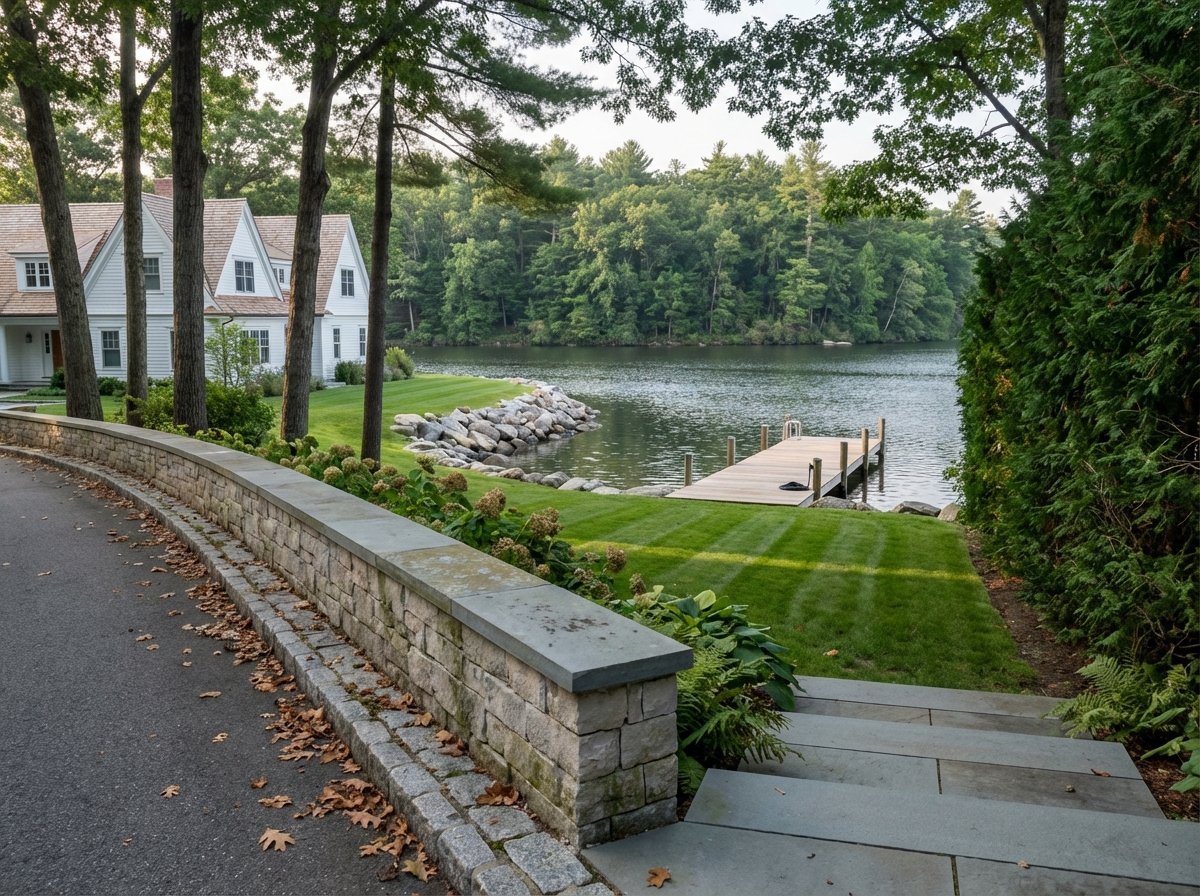
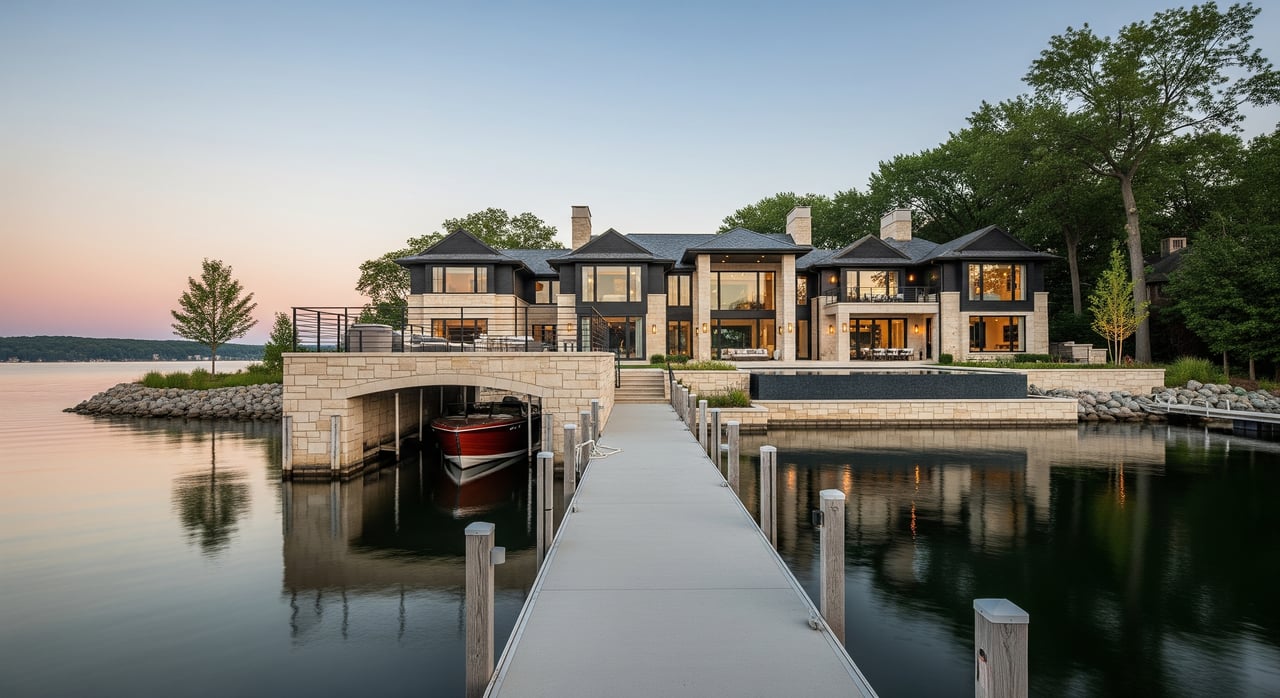
Luxury homes in Wayzata and around Lake Minnetonka often come with premium lots, custom design, and waterfront features. These characteristics can push purchase prices above the standard limits used for conforming mortgages.
A mortgage is considered jumbo when the requested loan amount exceeds the Federal Housing Finance Agency’s conforming loan limit for Hennepin County for your property type. The FHFA updates limits each year. You should confirm the current Hennepin County limit with the FHFA or your lender before you write an offer.
What this means for you:
- If your loan amount is at or below the county limit for a 1‑unit home, you may use conforming financing through Fannie Mae or Freddie Mac.
- If your loan amount exceeds that limit, you will likely use a jumbo product. That changes rate pricing, down payment expectations, and underwriting.
Given Wayzata’s price points, many buyers will fall into the jumbo category. Plan early so your financing supports your offer strategy.
Rates, down payments, and approvals
Jumbo financing differs from conforming in several important ways. Understanding these differences will help you plan your budget and set expectations.
Interest rates
Jumbo mortgage rates are often modestly higher than conforming rates. The spread can be small or more pronounced depending on the market, lender, and your profile. Factors that influence your jumbo rate include loan size, loan‑to‑value ratio, credit score, documentation type, property use, debt‑to‑income ratio, and verified cash reserves.
Down payment and loan‑to‑value
Conforming programs can allow lower down payments. Jumbo loans typically require larger down payments to reduce lender risk. For well‑qualified buyers purchasing a primary residence, common jumbo down payments start around 10 to 20 percent. Lower loan‑to‑value ratios are often expected for second homes or investment properties. Exact terms vary by lender and your qualifications.
Credit profile and reserves
Stronger credit is usually required for the best jumbo pricing. Many lenders look for scores in the 700s, along with conservative debt‑to‑income ratios. You should also plan to document significant liquid reserves. Requirements can range from several months to a year of mortgage payments, depending on loan size, property type, and loan‑to‑value.
Appraisals for luxury and lakefront
Lakefront and estate‑style properties can be challenging to appraise because comparable sales are limited. Lenders may request detailed appraisal work, additional comparable sales, or even a second appraisal. Unique features, multiple parcels, outbuildings, and large lots can add complexity. Preparing a thoughtful package of relevant data can help your valuation process.
Your jumbo documentation checklist
Preparing a complete, clean file helps you move faster and strengthens your negotiation position. Use this checklist to stay ahead.
Core borrower documents
- Government ID and Social Security number
- Last 2 or more years of personal federal tax returns with all schedules
- Last 2 or more years of W‑2s if employed
- Recent pay stubs showing year‑to‑date income, typically 30 days
- Last 2 to 3 months of bank statements for checking and savings
- Statements for investment, retirement, and stock or options accounts
- Documentation of liquid reserves that meet lender requirements
- Gift fund statements and a lender‑approved gift letter if using gifts
- Current mortgage statements for other properties and leases if using rental income
Business owner and high‑asset documents
- Business tax returns for the last 2 or more years
- Business bank statements, profit and loss, and balance sheet if requested
- K‑1s, 1099s, and support for any non‑recurring income
- Proof of asset liquidation or sale proceeds if using them for the down payment
- Trust or entity documents showing authority and beneficial interest where applicable
- For foreign income or assets, authenticated and translated documentation per lender policy
Property and transaction documents
- Fully executed purchase agreement and addenda
- Evidence of earnest money deposit
- HOA documents or condo questionnaires when applicable
- Appraisal or broker price opinions if available, plus notes on unique features
- Insurance quotes, including flood or inland lake coverage if needed
Verification steps that speed underwriting
- Address large deposits or gift funds early with clear documentation
- Align with a lender that uses appraisers experienced in luxury and waterfront homes
- Seek a full pre‑approval or even a conditional approval that lists remaining conditions
Financing strategies for Wayzata buyers
The right structure can improve your rate, strengthen your approval, and make your offer more attractive to sellers.
Choose the right lender
You can compare local mortgage banks, national jumbo lenders, private banks, and portfolio lenders. Private banks and portfolio lenders may offer more flexibility for complex income, large asset positions, or multiple properties. Mortgage brokers can also shop several wholesale lenders for competitive jumbo pricing. Compare pricing, underwriting flexibility, and closing timelines.
Pick the right product
- Fixed‑rate jumbo mortgages are the most common and provide payment stability.
- Adjustable‑rate jumbos can reduce your initial rate, which can make sense if you plan to sell or refinance within the fixed period. Weigh the interest‑rate risk before choosing an ARM.
- Bank statement or asset‑depletion programs can help if your income is nontraditional and your asset base is strong. Expect higher rates and stricter reserve standards on these programs.
- Bridge or swing loans can help you buy before selling an existing luxury home. These are useful in competitive markets but raise total carrying costs.
Improve pricing and approval odds
- Increase your down payment to lower the loan‑to‑value
- Pay down revolving debt to improve your debt‑to‑income ratio
- Maintain or improve your credit score before application
- Document strong liquid reserves and seasoned assets
- Consider paying discount points if the break‑even period fits your timeline
- Request detailed Loan Estimates to compare total lender fees, not just the rate
Make your offer competitive
Sellers in this price band often favor cash or near‑cash terms, or financing supported by strong lender verification. To stand out:
- Provide a full‑doc pre‑approval or a lender commitment with clear conditions
- Be transparent about appraisal risk on unique or lakefront homes
- Consider appraisal gap coverage or a higher down payment where appropriate
- Include evidence of funds for earnest money and reserves
- Align your mortgage contingency with realistic appraisal and underwriting timelines
Manage valuation on unique properties
Work with lenders who assign appraisers experienced in Twin Cities luxury and waterfront valuations. Support the valuation with a package of relevant comps, recent renovations, build documents, and clear notes on lot features, shoreline quality, and view corridors. Be prepared for additional comps or a second opinion in thin‑sales areas.
Plan for local costs and regulations
- Property taxes: Review Hennepin County assessments, prorations, and the potential impact of reassessments on cash flow.
- Insurance: Waterfront homes may require specialized coverage. Obtain quotes early so premiums fit your budget and your lender’s requirements.
- Shoreline and environmental rules: Confirm local permitting, riparian rights, zoning, and setback standards with Wayzata city planning or Hennepin County. These factors can influence value and appraisal.
A simple jumbo timeline
- Week 1: Speak with two or three lenders, share your goals, and request a full pre‑approval.
- Week 2: Complete your documentation packet and address any sourcing of large deposits or gifts.
- Week 3: Align your product choice and rate lock strategy with your timeline and risk tolerance.
- Offer week: Submit a competitive, clean offer with a strong pre‑approval and realistic timelines.
- Post‑acceptance: Coordinate appraisal, insurance, and any specialty inspections early to protect your financing timeline.
Common mistakes to avoid
- Relying on a soft prequalification instead of a full pre‑approval
- Underestimating reserve requirements or the time needed to season assets
- Waiting to shop insurance for waterfront homes until late in the process
- Assuming an appraiser will find perfect comps for a one‑of‑a‑kind property without guidance
- Focusing only on rate and ignoring lender fees and turn times
How your agent strengthens the outcome
You get the best results when your real estate strategy and financing plan work together. A local luxury expert can help you set realistic timelines, anticipate valuation questions, and present a lender‑verified offer that gives sellers confidence. For properties around Lake Minnetonka, that often means coordinating with lenders who understand waterfront nuances, sharing thoughtful comps with the appraiser, and right‑sizing contingencies so your offer is compelling and still protected.
If you are planning a Wayzata purchase and want discreet, data‑driven guidance from a local luxury specialist, connect with Jeffrey Dewing for a private consultation.
FAQs
What makes a mortgage “jumbo” in Hennepin County?
- A mortgage is jumbo when your loan amount exceeds the FHFA conforming loan limit for Hennepin County for your property type, which is updated annually.
Do jumbo loans always have higher rates than conforming?
- Jumbo rates are often modestly higher, but the difference changes with market conditions, lender pricing, and your profile, including credit, loan‑to‑value, and reserves.
How much down payment is typical for a jumbo purchase?
- Well‑qualified primary‑residence buyers often see down payments starting around 10 to 20 percent, with lower loan‑to‑value ratios expected for second homes or investments.
What documents should I prepare for a jumbo loan?
- Expect full documentation: tax returns, W‑2s or business returns, pay stubs, bank and investment statements, proof of reserves, and any gift letters or entity documents.
How are appraisals different for Wayzata lake homes?
- Unique and waterfront properties can have limited comparable sales, so lenders may require more detailed appraisal work, additional comps, or even a second appraisal.
How can I make a financed offer compete with cash?
- Use a full‑doc pre‑approval or commitment letter, show proof of reserves, consider appraisal gap coverage or higher down payment, and align contingency timelines with your lender.