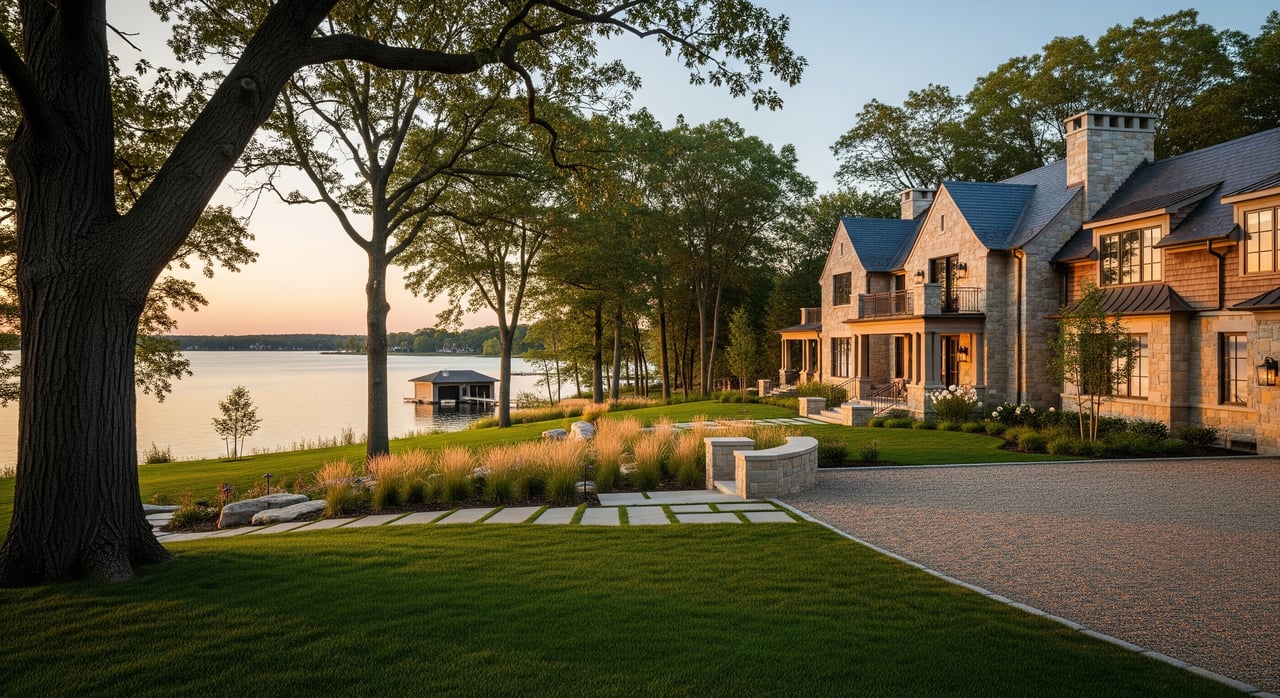
Looking for room to roam near the Lake Minnetonka corridor without giving up convenience? If you’re drawn to privacy, wooded views, and the flexibility to add a barn or outbuildings, Minnetrista’s luxury estates and acreage deserve a close look. You might be weighing the tradeoff between scale and commute, or deciding whether to buy existing or build a custom estate. In this guide, you’ll learn how the Minnetrista luxury market works, what drives value on acreage, how it compares to closer‑in lakeshore communities, and the key steps to buy or sell with confidence. Let’s dive in.
Why Minnetrista fits estates and acreage
Minnetrista offers the combination many luxury buyers want: larger lots, privacy, and outdoor lifestyle close to western lakes. You tend to find more usable land per dollar compared to the most premium inner‑lakeshore parcels. That means space for equestrian use, hobby farming, detached garages, workshops, or a private arena.
The feel is more rural and wooded than closer‑in lake towns, yet you still benefit from Hennepin County services and access to the broader Twin Cities. If your priorities include acreage, room for improvements, and a quieter setting, Minnetrista aligns well.
Inventory realities you should know
Large acreage and equestrian properties are a niche slice of Minnetrista’s housing stock. Listings with 5 or more acres tend to represent a small share of total active inventory at any given time. Because supply is limited, properties with strong fundamentals like usable topography, quality soils, established fencing or arenas, and any lake frontage often hold value.
These listings can take longer to market and sell than standard suburban homes, yet they typically see less day‑to‑day price volatility. New construction is an option, but timelines and site prep costs are meaningful. If you plan to build, expect your decision process to include soils testing, driveway planning, utility strategy, and budget allowances for grading.
Seasonal and economic patterns
Spring and summer are the peak seasons for new listings and showings. Acreage shows better when the ground is dry and fields are green. Broader economic conditions matter too. Lower mortgage rates and strong market liquidity tend to support activity, while construction cost inflation or higher financing rates can slow new‑build demand.
Price tiers and what drives value
Instead of fixed price points, think in tiers and feature sets. Parcel characteristics dominate value, and two properties with the same acreage can be priced very differently based on usability and improvements.
Typical tiers
- Smaller estates and hobby farms, roughly 1 to 5 acres. These appeal to buyers who want land without major maintenance. The quality and size of the home, plus the lot location, drive value.
- Mid‑acreage estates, roughly 5 to 20 acres. This is the sweet spot for many equestrian buyers and those wanting barns, arenas, and true privacy. Usable acreage, fencing, and equestrian improvements are key.
- Large estates or assemblages, roughly 20 acres or more. These parcels are valued for seclusion, potential subdivision or long‑term investment, or extensive equestrian facilities.
Primary value drivers
- Usable acreage and topography. Flat or gently rolling land supports paddocks, arenas, and easier maintenance. Heavily wooded or steep areas can limit usability.
- Soils and drainage. Loam soils and proper drainage reduce maintenance and support healthy pastures and stable footing.
- Septic and well capacity. Existing system age, condition, and bedroom capacity affect both livability and expansion plans.
- Improvements and infrastructure. Barns, stalls, indoor or outdoor arenas, tack rooms, wash stalls, heated shops, and quality fencing all add tangible value.
- Utilities and access. Power, natural gas or propane readiness, high‑speed internet options, and convenient road access all matter.
- Wooded buffer and privacy. Mature trees, sightline control, and setback from roads increase desirability.
- Water adjacency. True lake frontage, lake views, or access rights can be significant differentiators within Minnetrista’s acreage segment.
Land use, permitting, and site planning
Buying or selling acreage is more complex than a standard neighborhood home. Expect to coordinate with city and county staff and plan ahead for inspections and permits.
Zoning, lot splits, and subdivision
The City of Minnetrista and Hennepin County govern zoning, minimum lot sizes, accessory structures, and animal unit limits. If you are considering a parcel split or a multi‑parcel sale, you will need to follow subdivision rules and timelines and work with city planners to confirm feasibility before marketing or closing.
Shoreland rules and dock permitting
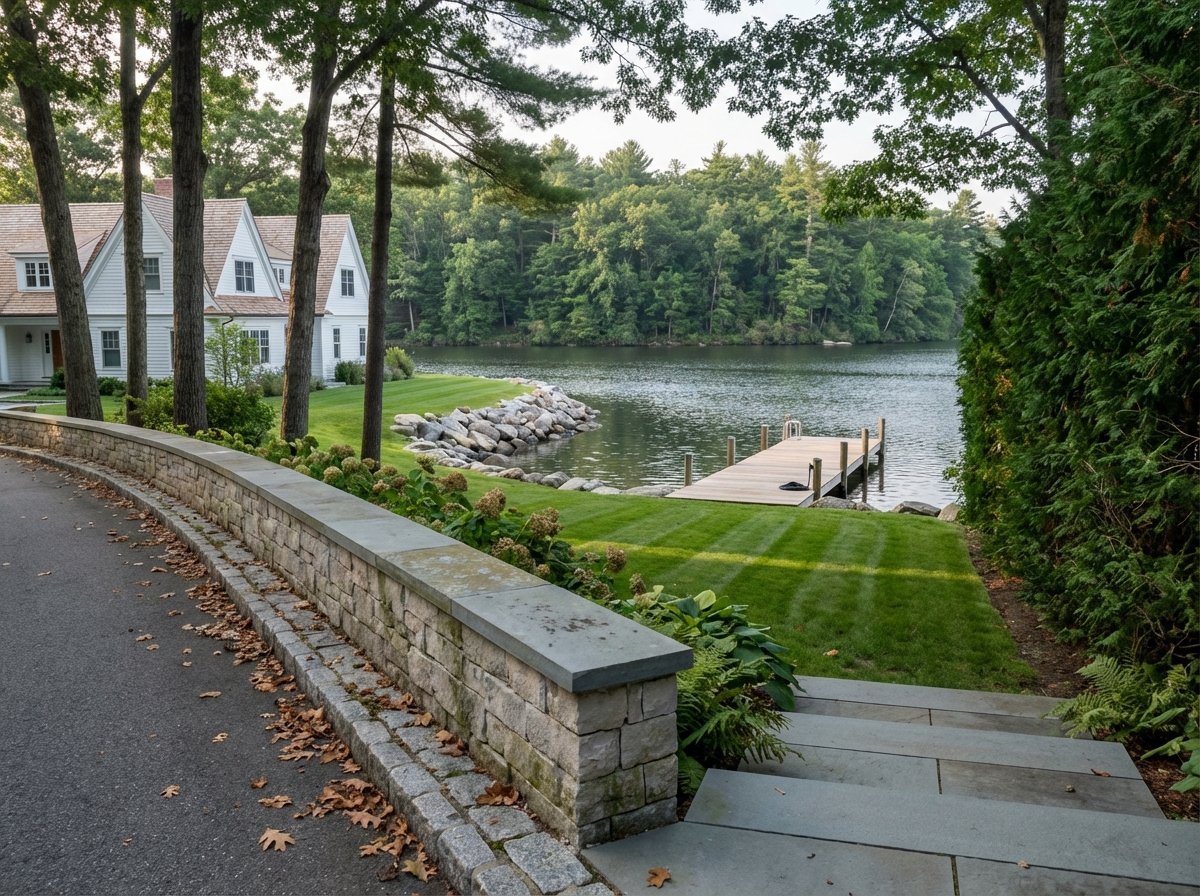
Lake‑adjacent parcels fall under Minnesota shoreland rules and local ordinances for setbacks, vegetation, and impervious surfaces. Dock access and boat facilities often require review of state guidance and any applicable local lake association or city rules. Many western lakes encourage conservation practices or shoreline restoration.
Septic, wells, and utilities
Most acreage properties rely on private wells and septic systems. System condition, age, design capacity, and any replacement requirements can materially affect desirability, timing, and cost. Sellers should be ready with maintenance records. Buyers should plan a professional septic inspection, water testing, and soil borings if building new. On larger rural lots, you may need propane, well water, and private septic, and you should clarify the costs for extending or improving utilities.
Wetlands, stormwater, and erosion controls
Wetlands, drainage easements, or conservation programs can restrict how and where you build. If you plan new construction, you may need wetland delineations and permits through a local watershed district or state boards. Build in time and budget for mitigation and erosion control.
Access and road maintenance
Private driveways and shared access easements are common. Make sure you verify easement language, snow removal obligations, and any private road maintenance agreements. Road frontage on a county road versus a private drive can affect both perceived convenience and cost.
Equestrian‑specific requirements
If you plan for horses, you should confirm animal unit limits, building setbacks, manure storage standards, and permit requirements for arenas or barns. Also evaluate ground conditions for turnout areas and arena footing. Poor drainage can increase maintenance costs and reduce usability.
Minnetrista vs closer‑in lakeshore communities
If you are comparing Minnetrista to lake towns closer to downtown Minneapolis, the tradeoffs are clear.
- Lifestyle and scale. Minnetrista tends to offer larger lots, more wooded privacy, and room for barns and detached buildings. Closer‑in communities like Wayzata, Orono, Medina, Deephaven, Excelsior, or Shorewood often have smaller lots but offer walkable amenities, dining, and a more concentrated lakeside scene.
- Value profile. Closer‑in lakefront often commands a significant premium per linear foot of shoreline and per square foot of finished home. Minnetrista typically provides more acreage for the price if you are comfortable with a longer commute or fewer marina options nearby.
- Audience differences. Buyers of closer‑in waterfront often prioritize the social lakeside lifestyle and proximity to dining and services. Minnetrista estates tend to attract buyers focused on privacy, equestrian function, and space for multiple vehicles or outbuildings.
- Commute and services. Proximity to highways and job centers varies across the western corridor. When you compare areas, put commute preferences, service availability, and lifestyle priorities side by side.
Buyer checklist for estates and acreage
- Confirm zoning and allowed uses with the City of Minnetrista and Hennepin County, including animal unit limits if applicable.
- Order a current survey showing acreage, boundaries, easements, and any encroachments.
- Septic: collect service records, locate the system, and get a professional inspection. Confirm capacity for current and planned bedroom counts.
- Well: test water quality and verify production.
- Wetlands and topography: walk the site and, for new builds, complete soils testing and a wetland delineation if needed.
- Access and easements: verify deeded access, shared driveway agreements, and snow removal plans.
- Utilities: confirm electrical capacity, internet options, and fuel sources such as natural gas or propane.
- Equestrian readiness: inspect barn layout, stall sizes, fencing, turnout areas, arena footing, and manure storage.
- Shoreline and docks: if water is a priority, confirm riparian rights, dock permits, and any lake association rules.
Seller strategy for premium results
Selling a luxury acreage estate is about clarity, confidence, and presentation. The goal is to remove friction for buyers and showcase the full scope of the property.
- Prepare documentation: recent survey, septic inspection or maintenance records, well details, and permit history for improvements.
- Highlight usability: map usable acreage, note fencing and paddocks, and detail barn features, heated tack rooms, wash stalls, and shop dimensions.
- Elevate visuals: invest in high‑quality photography and drone footage to convey scale, orientation, and proximity to lakes and roads.
- Target the right audiences: equestrian buyers, hobby‑farm seekers, builders, and out‑of‑area buyers prioritizing privacy.
- Offer buyer confidence: for vacant land or older improvements, consider a conceptual site plan or feasibility notes that speak to build potential or future splits, subject to permits.
Financing and build timing
Financing for acreage can differ from standard suburban homes. Lenders may scrutinize septic and well conditions, access, and the presence of income‑producing land. Down payment requirements and appraisal approaches can vary with property type.
If building new, budget for site‑specific items that are easy to underestimate. These include tree clearing, grading, driveway installation, utilities, drainage and erosion control, and potential wetland mitigation. Also factor in permit lead times and contractor schedules.
How a seasoned local adviser helps
Acreage and equestrian estates require a thoughtful, detail‑led approach. You want an adviser who can frame market context, position your property precisely, and protect your privacy. As a veteran luxury specialist in the Lake Minnetonka corridor, Jeffrey Dewing pairs white‑glove presentation with data‑driven strategy. The combination of curated photography, narrative‑rich marketing, discreet handling of high‑profile clients, and strong distribution through Coldwell Banker Global Luxury helps minimize friction while maximizing results.
Whether you are building a private equestrian compound or preparing a multi‑parcel sale, work with a team that will manage the details, coordinate inspections and permits, and market directly to the buyers who value acreage.
Ready to talk through your plans in Minnetrista? Connect with Jeffrey Dewing to discuss the best strategy for your goals.
FAQs
How available are true equestrian properties in Minnetrista?
- They exist but represent a niche segment; look for listings with arenas, stalls, turnout, and fencing, and always confirm zoning and animal unit limits before assuming equestrian use.
Are Minnetrista lakefront values similar to Wayzata or Orono?
- Generally no; closer‑in communities often command higher premiums for waterfront, while Minnetrista typically offers more acreage per dollar and a more private setting.
What are the biggest hidden costs when buying acreage in Minnetrista?
- Septic repair or replacement, driveway and site prep, tree removal, wetland mitigation, and utility extensions are common budget surprises.
Can I split a large Minnetrista parcel later to sell part?
- Possibly, but it depends on city and county subdivision rules, platting, and any easements or restrictions; consult planning staff early to confirm feasibility and timelines.
When is the best time to list a luxury acreage estate?
- Spring and summer typically offer stronger visuals and buyer activity, though serious buyers shop year‑round and well‑prepared listings can perform in any season.